








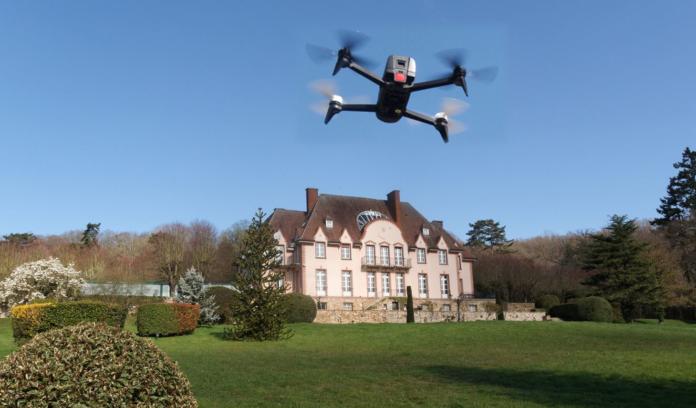
The benefits of commercial unmanned aircraft systems (UAS or drones) are substantial. Technology has moved forward rapidly, and what used to be considered toys are quickly becoming powerful commercial tools that can provide enormous benefits in terms of safety and efficiency. Today, drones are being used in almost every commercial industry. The real estate industry is leading the way, capitalising on drone fever around the globe.
Drone technology allows realtors to take aerial photographs and videos of the property as well as nearby amenities, offering valuable information to buyers. Drones can also be operated at a fraction of the cost and in areas that would simply be inaccessible to traditional manned aircraft. In the United States for example, the Federal Aviation Administration (FAA) anticipates that real estate and aerial photography will be one of the largest industries to capitalise on drone technology, accounting for 22% of total commercial drone use by 2020.
While the benefits of drones to the real estate industry are clear, individuals and companies flying drones need to understand the regulatory environment in which they are operating. While the specific details may vary by jurisdiction, below are a few key topics that realtors should consider.
Pilot certification
Many civil aviation authorities (CAAs) require commercial drone pilots to obtain some form of a pilot licence or certificate. The need or type of licence required may vary depending on factors such as the weight and capability of the drone being operated and the location or type of environment where the drone flight will take place.
Airspace restrictions
Depending on the location and altitude at which the drone will be flown, there may be airspace restrictions or other requirements that apply.
Restrictions on flying over people and vehicle traffic
Many CAAs prohibit or limit the ability of drones to fly over people, as well as over moving vehicles. While this may not be an impediment to flights in rural and suburban areas, this restriction can make it difficult or impossible to fly in more densely populated urban environments where the flow of people and vehicles on the ground cannot be controlled by the operator.
Property rights and privacy issues
Depending on the jurisdiction, there may be a requirement to obtain permission from a property owner before flying over someone else’s property. In some jurisdictions there may be local laws relating to nuisance or privacy issues that could impact a drone operator’s ability to fly in some locations.
Drones are incredibly helpful for real estate purposes. However, given these policy issues and others, you may want to consult with your local CAA prior to deploying drones in the real estate industry.