










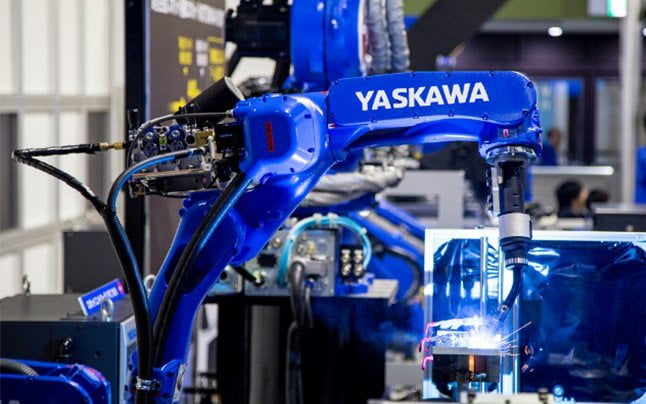
NATURALLY, robots will be part of the future business scene, but where does a business even start?
Yaskawa Southern Africa’s National Project Manager, Sean Low, believes discovery and consultation are the first steps.
The key, according to Low, is identifying which processes can be automated and early implementation. “While many start-ups might put off automation until later stages of their operations, early adoption is an investment and beneficial in the long run, as you won’t need to overhaul your entire process in the future.”
Once the processes set for automation have been identified, the next step is cost considerations. Though judging by how businesses are tightening their belts, budget is a legitimate concern. Many organisations would love to implement robotic automation, but there is a fear about affordability.
The good news is that the leasing of robots is a possibility. There are various organisations that put together robotic solutions and lease them out to businesses on a monthly basis. Low says it’s a viable option that works out for a plethora of businesses based on their needs.
“It’s all dependent on the industry and the specific requirements,” Low explains. “Think of a fruit packing company, for example. Due to the seasons, the business will have three months of increased volume and might require a palletising and packaging robot to handle the extra load. However, the robot might not be required for the other nine months of the year, so for seasonal businesses it is a more attractive option to lease a robot cell for a period of time than to buy one.”
To see the true value of robotics, however, businesses need to immerse themselves in the advanced technology. Much like any other technology, if you buy the product and don’t read the manual, you’ll miss some of the biggest features. This is why training is essential.
“If you don’t understand how to use the robot,” Low states, “you won’t see value in it. That’s why Yaskawa believes in a cradle-to-the-grave approach. From the moment you receive the robot, to the training of the operators, to when the equipment is officially retired, we are there for our customers every step of the way.”
No matter the size or age of a business, it’s never too late to adapt to a new way of working. While robots and automation have been around for decades already, the demand for them grows on a yearly basis. The blueprint for the future is digital, mechanical and programmable, and the time for adoption is now.