








THE most common application of zinc is to protect steel from corrosion by hot-dip galvanizing. The zinc-steel combination has significant economic benefits in terms of lifecycle costs. Improved air quality in many industrialised countries, with diminishing levels of sulphur dioxide (SO2), means zinc coatings provide even longer protection for steel.
“Steel is one of the most widely used materials on the planet. Thanks to zinc, steel’s durability can be prolonged,” says Simon Norton, International Zinc Association (IZA) Africa Executive Director. Both steel and zinc are 100% recyclable indefinitely without the loss of chemical or physical properties.
In fact, steel is the most recycled material in the world, with virtually 100% of all structural steel reclaimed for repossessing and nearly 94% of structural shapes built from recycled steel. The reclamation rate for zinc is more than 80%, which means the majority of zinc available for recycling is indeed recycled.
At present, about 70% of the zinc produced originates from mined ores and 30% from recycled or secondary zinc. The level of recycling is increasing in step with progress in zinc production and zinc recycling technologies. Zinc is recycled at all stages of production and use, from the production of galvanized steel sheet to scrap generated during manufacturing and installation processes and from products at their end-of-life.
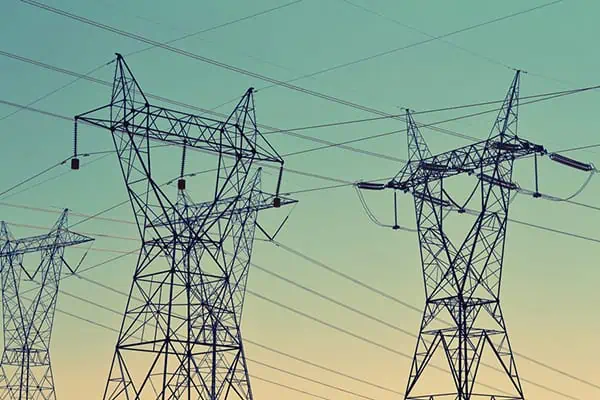
The life of zinc-containing products is variable and can range from ten to 15 years for cars or household appliances and to over 100 years for zinc sheet used for roofing. Street-lighting poles made from zinc-coated steel can remain in service for 50 years or much longer, while transmission towers can endure for over 70 years.
“All these products tend to be replaced due to obsolescence, not because the zinc has ceased to protect the underlying steel. For example, zinc coated steel poles placed in the Australian outback a hundred years ago are still in excellent condition,” reports Norton.
The presence of zinc coating on steel does not restrict steel’s recyclability. All types of zinc-coated products are recyclable. Zinc coated steel is recycled along with other steel scraps during the steel production process, during which the zinc volatilises and is then recovered. The supply of zinc-coated steel scrap is expected to double over the next five years, as more zinc-coated products enter the recycling stream.