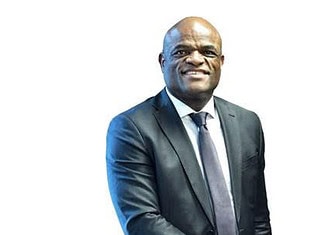









The City of Cape Town has secured a further R3,5bn in financing towards its plans for a South African record infrastructure investment over three years. Mayor Geordin Hill-Lewis conducted the signing ceremony with Nedbank on Monday 24 June, following Council green-lighting the finance on 12 June.
Cape Town plans to spend R39,5bn on infrastructure from July 2024 – June 2027, as approved in its ‘Building For Jobs’ Budget. This is South Africa’s largest ever three-year infrastructure investment by a metropolitan municipality.
Cape Town accounted for a full 60% of the R100 billion in overall government infrastructure projects announced nationally in 2023, according to Nedbank’s updated Capital Expenditure Project Listing for 2023, published in February 2024.
‘We are pleased to secure further finance towards our ambitious infrastructure investment agenda, which we estimate will create 130 000 construction-related jobs alone over three years. Lower-income households will also directly benefit from 75% – or R9bn – of Cape Town’s R12bn infrastructure spend in 2024/25.
‘This pro-poor infrastructure spend in 2024/25 is bigger than the entire infrastructure budget of any other metro. Cape Town will soon be SA’s most populous city, and we are preparing for this by targeting our fastest-growing, and poorest areas, with infrastructure projects that will, over time, unstitch the unjust legacy of our country’s past,’ said Mayor Hill-Lewis.
The City’s 10-year pipeline is valued at an estimated R120bn. The majority of the projects are classified as ‘Economic, Social and Governance (ESG)’ and linked to the City’s overall Climate Change Strategy.
In October 2023, the City published a request for funding proposals (RFP) regarding financial years 2023/24 and 2024/25, which was followed by extensive engagements with local and international lenders.
Alongside the Nedbank finance approval in June 2024, City Council further approved $150m in finance from the International Finance Corporation (IFC), and in April 2023, greenlit €100 million developmental financing from the Agence Francaise de Developpement (AFD).
The City is following a blended finance model, which includes funding from its own healthy balance sheet, as well as finance from the local and international markets.
Further financing agreements are set to serve before Council during the 2024/25 financial year regarding the balance of the funding requirements for the City’s infrastructure plans.