









A high stakes gamble
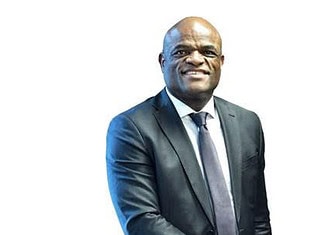
Bertie Nel, Head of Financial Planning and Advice at Momentum
South Africa has a growing gambling problem. A new report reveals that gambling revenue accounts for almost 1% of South Africa’s GDP, a sharp increase from 0.4% in 2020. Codera Analytics recently published a graph comparing gross gaming revenue with nominal GDP in several countries. While Australia’s gambling-to-GDP ratio is even higher at 1.2%, it is showing a downward trend. South Africa’s, on the other hand, is exhibiting a clear upward trend, underscoring a deepening societal issue.
South Africans who gamble spend between R2,000 and R6,000 per month, with up to 50% of their income dedicated to betting. Lower-income earners spend their salaries on gambling in the hope of making money, while high-income earners choose gambling as a form of entertainment.
The allure of the quick fix
The local gambling industry is booming, with an estimated R1.5 trillion spent in the 2024/2025 year and a massive 40% jump from the previous period. South Africans are spending over R4 billion a day on gambling, and according to the National Gambling Board’s latest report, more than half of the working population can now be classified as gamblers.
These staggering figures reflect more than just entertainment; they point to growing desperation and frustration fuelled by an uncertain economy. Many are looking for instant gratification – the emotional rush of a potential win – as a replacement for the proven and slower path of building a durable, long-term financial plan. The surge in speculative trading and ‘quick money’ schemes signals a dangerous trend of trading guaranteed security for the illusion of rapid returns.
The antidote to chance
Gambling is inherently risky and can easily become addictive due to the dopamine cycle it triggers in the brain. However, genuine financial progress is never built on luck. Instead, it is founded on informed, intentional decisions. This is where sound financial advice plays an essential, transformative role.
Research conducted by the Bureau of Market Research (BMR) on behalf of Momentum Group reveals that households using a financial adviser are consistently better off than those who manage their finances alone. The report provides compelling evidence to suggest that advised households are more likely to have emergency savings, manage debt efficiently, and maintain crucial retirement contributions, even during economic downturns. Crucially, they also report higher levels of financial confidence and demonstrate superior decision-making abilities.
The research confirms that structured, consistent guidance is the true foundation of sustainable wealth. Without this expert partnership, many fall into the trap of making reactive, emotionally driven decisions, which often include high stakes risks like compulsive gambling or early encashment of investments.
Building success, not hoping for luck
A professional financial adviser helps clients cut through the emotional noise to focus on the bigger picture. They provide the discipline required to stay committed to a plan when economic uncertainty hits. Their balanced approach integrates savings, investments, and necessary insurance protection to secure financial progress.
The dramatic rise in gambling spend reflects genuine financial anxiety, but the solution is not in rolling the dice, but in securing professional guidance. The answer is building stability and long-term financial confidence through consistent, practiced financial habits. When it comes to your (financial) future, success doesn’t favour the lucky; success favours the focused.