












Beyond cost savings: How procurement can drive social change in South Africa
PROCUREMENT in South Africa is undergoing a profound strategic transformation, shifting from a narrowly defined cost-saving function to a central driver of economic inclusion, ethical governance and long-term social impact.
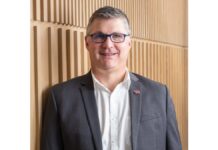
This is according to Paul Vos, Regional Managing Director of the Chartered Institute for Procurement & Supply (CIPS) Southern Africa.
“Historically, procurement was seen primarily as a mechanism to reduce costs. Today, organisations recognise their power to influence resilience, transparency and responsible sourcing. Procurement is increasingly being used deliberately as a lever for social change.”
Banks and telecoms companies like Absa, Vodacom and MTN run enterprise and supplier development (ESD) programmes that help small suppliers become production-ready and compliant, ultimately improving supply continuity. Such programmes often include access to finance, mentorship, technology upgrades and guaranteed offtake agreements.
Vos highlights three major shifts redefining the function: a move from compliance to impact-driven outcomes; the integration of ESG (Environmental, Social, and Governance), B-BBEE and ethical standards into procurement frameworks; and the professionalisation of the discipline.
Procurement teams are moving toward holistic sourcing strategies that reward responsible suppliers. Weighted evaluation criteria, life-cycle costing, ESG-aligned Request For Quotes (RFQs) and Request for Proposals (RFPs), and adherence to the CIPS Global Standard are helping organisations prioritise suppliers who contribute meaningfully to South Africa’s socio-economic priorities.
“Economic inclusion becomes meaningful when selection decisions deliberately favour suppliers who support national development goals,” he says. “Supplier diversity is not charity but sound business practice.”
He notes that diverse suppliers bring local insight, reduce concentration risk and strengthen resilience. Organisations are increasingly setting deliberate spend targets, streamlining onboarding for emerging enterprises and partnering with development institutions to uplift historically disadvantaged and township-based suppliers.
Responsible procurement is fast becoming a non-negotiable for organisations under pressure to demonstrate social and environmental impact. Vos points to the growing adoption of transparent governance, ethical frameworks, environmental performance assessments, and digital tools that provide deeper visibility into supply chain risks.
However, he adds that South Africa’s inequality challenges cannot be addressed by individual sectors acting in isolation. Collaboration between the public and private sectors is essential to modernise systems, strengthen governance and build the capabilities required for effective procurement.
“Joint standards, shared expertise and co-investment in supplier development can transform entire value chains,” he says.
Vos says procurement is uniquely positioned to drive measurable progress against the UN Sustainable Development Goals (SDGs). Organisations are increasingly mapping spend to SDG indicators and embedding sustainability metrics into procurement scorecards, reporting cycles, and supplier audits.
“Procurement can materially move the dial on SDG progress when decisions are intentionally aligned to sustainability objectives,” he explains.
“Professionalisation at scale, aligned standards across sectors, digital transformation and regional integration can unlock procurement’s full potential to drive social change. The opportunity exists – if capability, ethics and governance keep pace with ambition.”
About the Chartered Institute for Procurement & Supply (CIPS)
The Chartered Institute for Procurement & Supply (CIPS) is a global professional body dedicated to advancing procurement and supply management. With a presence in over 180 countries, CIPS sets the international standard for excellence in the profession, defining best practices, promoting innovation, and supporting the transformation of supply chains worldwide.
