












Why metal packaging matters for Food and Beverage sustainability
AS sustainability moves from aspiration to obligation in South Africa’s food and beverage sector, packaging choices are coming under increasing scrutiny. Among available options, metal packaging continues to stand out for its unmatched recyclability, durability and role in enabling a truly circular economy.
Aluminium and steel packaging are infinitely recyclable without loss of quality, making them ideal materials for food and beverage applications where safety, shelf life and environmental performance must align. In South Africa, this circular potential is being actively realised through strong collaboration between industry, recyclers and regulators — a model which was recently showcased by MetPac-SA, the registered Producer Responsibility Organisation (PRO) for metal packaging.
MetPac-SA joined forces with and Ferrous Metals Processors (FMP) to showcase the circular economy in action by hosting a Metal Packaging Recovery and Recycling Process Appreciation Day at their facility in Gauteng. The event formed part of the Department of Forestry, Fisheries and the Environment’s (DFFE) annual audit and engagement programme and brought together MetPac-SA members, strategic partners and government representatives.
The objective was clear: to provide delegates with an inside look at large-scale metal recycling operations and to demonstrate how metal packaging recovery supports both environmental sustainability and local economic development.
A leader in sustainable metal recovery
Ferrous Metals Processors is a cornerstone of South Africa’s metal recycling ecosystem. As the largest buyer, processor and distributor of ferrous scrap in the local market, FMP specialises in the collection, handling and processing of used steel cans and other metal packaging. Its state-of-the-art facilities are designed for mass processing, decontamination and recovery, positioning the company as a vital contributor to the circular economy.
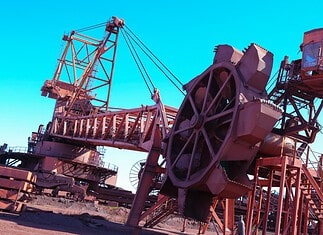
The site tour offered delegates a firsthand view of the ferrous shredding process, showing how post-consumer metal packaging is efficiently processed and prepared for reintroduction into manufacturing supply chains. Attendees were also given an exclusive preview of FMP’s aluminium re-smelting plant, currently under construction, which will significantly expand the company’s capacity for sustainable aluminium recovery and circular production.
“The beauty of metal packaging lies in the fact that it never becomes waste — it simply becomes a resource again. Facilities like FMP show that with the right infrastructure in place, metal packaging can be recovered at scale, delivering both environmental and economic value,” said Dr Kishan Singh, CEO of MetPac-SA, at the event.
Building confidence in metal packaging
The event reinforced South Africa’s commitment to a thriving metal packaging circular economy and highlighted why metal remains a trusted packaging choice for the food and beverage sector. MetPac-SA has thanked Howard Fine, the FMP team and all partners for their support, and plans to host further site visits in 2026 to continue promoting transparency, innovation and collaboration across the packaging industry.
Why metal packaging works for food and beverage
For food and beverage producers seeking packaging solutions that combine performance, compliance and sustainability, metal packaging continues to prove that it is built for the long term. Metal packaging continues to be a preferred choice for food and beverage producers worldwide thanks to its performance, safety and sustainability credentials that make it uniquely suited to modern packaging demands.
Infinitely recyclable:
Aluminium and steel can be recycled repeatedly without any loss of quality. This makes metal packaging a true circular material, supporting closed-loop recycling systems and reducing reliance on virgin resources.
Excellent product protection:
Metal provides a complete barrier against light, oxygen, moisture and contaminants, helping to preserve flavour, freshness and nutritional value while extending shelf life — often without the need for preservatives.
Food safety and compliance:
Metal packaging is robust, tamper-resistant and meets stringent food safety standards, making it ideal for beverages, canned foods, aerosols and speciality food products.
High collection and recycling rates:
Thanks to its intrinsic value, metal is actively collected by both formal recyclers and informal waste pickers, contributing to higher recovery rates and keeping valuable material out of landfill.
Supports local jobs and communities:
The metal recycling value chain creates employment across collection, sorting, processing and manufacturing, while enabling fair income opportunities for waste pickers.
Lower environmental footprint over time:
Recycling metal uses significantly less energy than producing it from raw materials, resulting in meaningful reductions in carbon emissions across the packaging lifecycle.
Proven infrastructure at scale:
South Africa already has well-established metal recycling and processing infrastructure, enabling efficient recovery and reintegration of metal packaging into new products.
For more information visit www.metpacsa.org.za