












- Lube tip: introducing additives to improve oil quality
Oil quality is established by the refining processes, and additives are most effective if the oil is well refined. Although the overall performance of an oil can be improved by introducing additives, a poor quality oil cannot be converted into a premium quality oil by introducing additives.

- Lube tip: how contaminants affect additives
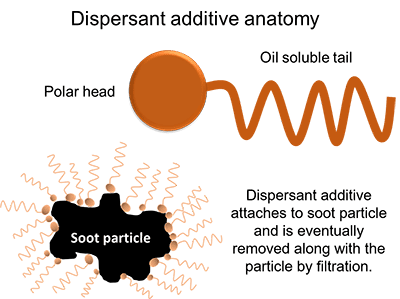
Particle contamination in a lubricating or hydraulic system is widely known as one of the most devastating contaminants. One effect of particle contamination that is rarely discussed is additive leaching. Many additives attach to particles and are removed along with the particle by filtration.
Lube tip: nitration – why it’s bad
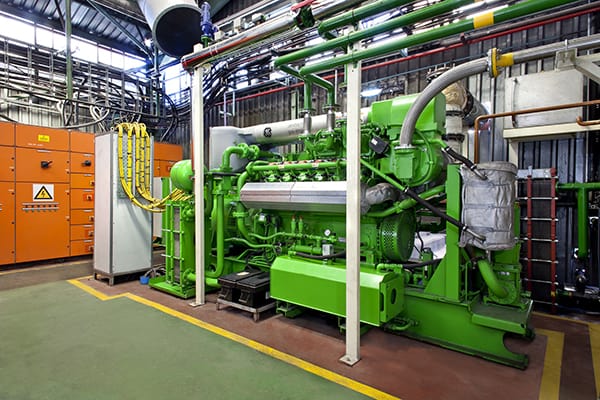
Nitration is the degradation of oil in the presence of nitrogen compounds. Nitration is a common mode of gas-engine lubricant degradation. It is a particular problem with higher temperature 4-cycle engines. Nitrogen oxides are typically formed during fuel combustion. These nitric oxides react with water to form nitric acid. The formation of nitric acids can lead to a corrosive environment to exposed engine surfaces. Nitration also leads to the formation of deposits and sludge.
- Lube tip: understanding the difference in synthetics
There is no minimum quantity of synthetic base oil required in order to call a blend a semi-synthetic lubricant. Because Group III and Group IV base oils are both considered synthetics, any oil labelled as a full synthetic would contain either Group III or polyalphaolefin (PAO) or both. Any oil that is labelled as a partial synthetic, semi-synthetic or synthetic blend would contain Group I or Group II (mineral oil) plus some amount of Group III oil or PAO (synthetic).

- Lube tip: engine crankcase oil sampling techniques
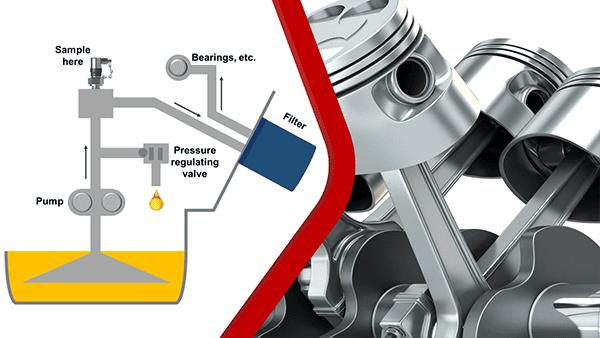
When taking a sample of engine crankcase oil, it is important to avoid contaminating the sample, as with any sample. A good place from which to take the sample is just before the filter. The sampling valve can be inserted between the filter and the pump. It is recommended to use this place as a source for the sample, rather than taking the sample using a vacuum pump with a tube inserted down the dipstick port, or from a drain port.

Visit www.wearcheck.co.za for more condition monitoring information.