









Focused revitalisation efforts across Transnet Port Terminals’ agricultural sector has seen the Durban Agribulk Terminal handle its highest volumes in ten years as the 2022/2023 financial year ends this month. Having exceeded annual budgeted volumes by 35%, the 1 178 389 tons of maize, wheat, soya and woodchips handled are also the second highest in the history of terminal operations.
The refurbishment of the ship loader and the acquisition of two ship unloaders in 2021 as well as enhanced customer communication introduced transparency and integrated planning which improved landside and vessel performance. The terminal has invested in updating customers from the stage of cargo intake through to vessel loading, across all three shifts until the vessel has completed working. Encountered challenges have been resolved without delays, over the past year.
Annually, the terminal averages 35 vessels. In the 2023/2024 financial year beginning in April, the terminal anticipates handling 1 150 000 tons with the Free State, Mpumalanga and KwaZulu Natal as major volume contributors nationally.
Similarly, the East London Terminal has resumed the export and import of mainly maize, wheat, rice, soya and other free-flow products after nearly two years of the silo facility’s temporary closure due to a severe decline in volumes regionally. The terminal is now working on a schedule that sees one vessel handled every six weeks, with the ability to load up to 44 000 metric tons with the current sailing draft. A total of nine slots have been forecasted and shared with industry for the 2023/2024 financial year beginning in April and the terminal plans around increasing volumes.
East London grain volumes started declining from 1 000 000 tons in 2011 to 48 000 tons per annum in 2021. The grain elevator which is also one of the largest silos in the country, with a capacity of 66 000 tons became financially constrained and a decision was taken to temporarily close the facility until business opportunities opened in the market. The terminal did however continue to discharge grain using a direct discharge operating model, where cargo is loaded in trucks and taken to an external facility immediately.
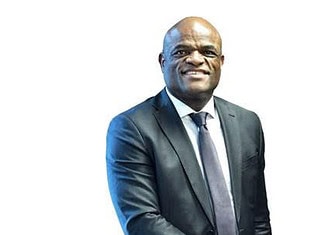
AGRI South Africa (SA) Chief Executive Officer Christo van der Rheede said, “ AGRI SA welcomes the records set by Transnet Port Terminals and congratulates the team for their hard work, professionalism and for the patriotism to serve the country with zeal. Keep up the good work. In doing so the country’s economy grows, food security is strengthened and a better life for all of our people is progressively realised”.
Overall production of wheat in South Africa has declined by 11.4% over the past 20 years while consumption has increased by over 37.9% in the same period due to population growth. In order to supply the resultant shortfall in wheat, it has become crucial for South Africa to import wheat.