








Konecranes sees service opportunities in Southern Africa as port modernisation accelerates
SOUTHERN Africa’s port infrastructure is undergoing a significant transformation, and global material handling leader Konecranes, a crane manufacturer, sees opportunities to support the ongoing growth of these essential facilities and services, while preserving job creation – an essential driver for economic growth.
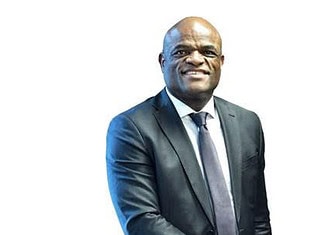
Charles Dhaniram, Manager of Port Services, South Africa at Konecranes, oversees operations as far afield as Madagascar, Mozambique and Mauritius, with expansion plans extending to Angola. The company maintains a crucial partnership with Transnet through an OEM contract, servicing straddle carriers at Durban port and rubber-tired gantry cranes (RTGs) in Cape Town.
Digital transformation
Assisting customers in multiple countries and often in remote locations requires some smart thinking and innovation.
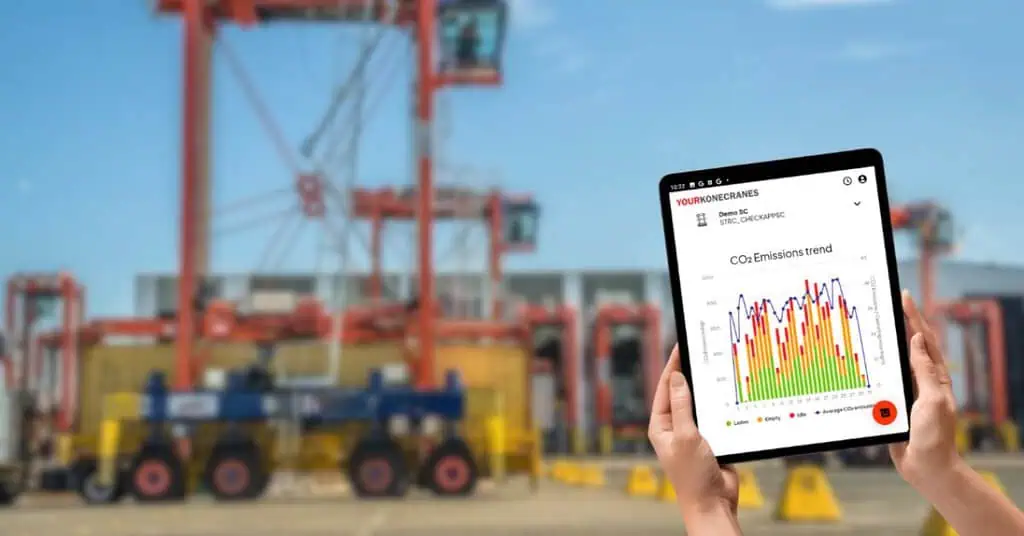
Konecranes’ TRUCONNECT remote monitoring system exemplifies the digital revolution sweeping through port operations. Dhaniram can now access real-time data from all 20 straddle carriers operating at South African ports directly from his office, enabling advanced notice of problems, ensuring minimum downtime, and efficient maintenance approaches.
“We can log on to each machine remotely, analyse performance data, and address issues before they become critical breakdowns,” Dhaniram explains. This capability has transformed maintenance from reactive to predictive, reducing costly operational disruptions.
Konecranes partners with ports across the globe with their automation ambitions; over 60% of automated terminals worldwide run with Konecranes equipment.
Dhaniram says that whilst Konecranes is always able to present options and efficiency gains, they are also conscious that automation decisions carry profound employment implications in a country grappling with unemployment above 30%.
Competitive positioning
Konecranes differentiates itself through comprehensive lifecycle support rather than merely equipment sales. The company’s service division handles all maintenance, breakdowns, and spare parts supply – and is a premier provider of data-enabled agreements that drive equipment and port performance. This approach has created long-term relationships with port operators.
This service-centric approach has proven resilient. Even as equipment procurement decisions face delays, ongoing maintenance contracts provide steady revenue streams. The company’s willingness to service competitor equipment further expands market opportunities.
“We don’t only service Konecranes equipment. If customers need help with efficiency on other brands, we’ll step in to assist,” Dhaniram emphasises, highlighting a pragmatic approach to market share growth.
Regional hub strategy
Konecranes has established South Africa as its regional office, leveraging the country’s infrastructure and skills base to support operations across Southern and East Africa. The company maintains service partnerships with independent operators in territories beyond its direct operational footprint, extending its reach while managing capital deployment efficiently.
Equipment logistics benefit from port-to-port shipping, with machinery arriving disassembled in containers and open-top units for on-site assembly.
As the southern African port sector balances modernisation imperatives with social considerations, Konecranes’ approach reflects the nuanced approach required for long-term industrial transformation in developing economies.
With multiple projects advancing across the region and hybrid technology gaining traction, Konecranes is positioning itself for growth in a market where efficiency gains must be carefully calibrated against job creation, and per capita GDP growth.