









WHETHER you have an existing respiratory protection programme or are developing one for the first time, the fundamental goal is the same: to protect workers from harmful atmospheres as part of a hierarchy of controls within their workplace.
Here are the seven key elements of a sound respiratory protection programme.
Written Standard Operating Procedures
Having guidelines, procedures, standards, and best practices is one thing—documenting them is another. Careful documentation is vital because it helps ensure the programme includes all required and relevant elements, detailing the particulars so that others can understand and be accountable for them. Further, according to OSHA, a written respiratory protection programme is required because it helps employers, employees, and compliance officers gauge the adequacy and effectiveness of the programme.
Assessment of Respiratory Hazards
You cannot counteract a hazard if you don’t know it exists. As part of a respiratory protection programme, employers should evaluate respiratory hazards in the workplace, including use factors, personal exposure monitoring, and particulate concentration levels. Performing a simple calculation of worst-case exposures and factoring the results in with workplace size, ventilation, operation type, and worker proximity to emission source, can yield critical information for choosing the correct type and level of respiratory protection for the job.
Control of Respiratory Hazards
When possible, controlling contaminants at the outset is an effective way to reduce hazards and improve worker safety. But that requires an honest evaluation of relevant processes and equipment, as well as plant design. In order to determine if engineering controls can reduce or eliminate exposure, employers should ask themselves such questions as, “Can we isolate or encapsulate the process?” “Are there other, less toxic materials or substances that can be used?” “Would the addition of exhaust ventilation, filters, or scrubbers help control effluents?” Sometimes it’s not practical for processes to be altered or substances to be eliminated. In such cases, it’s important for employers to choose proper respiratory protective devices.
Selection of Appropriate Respirator Types
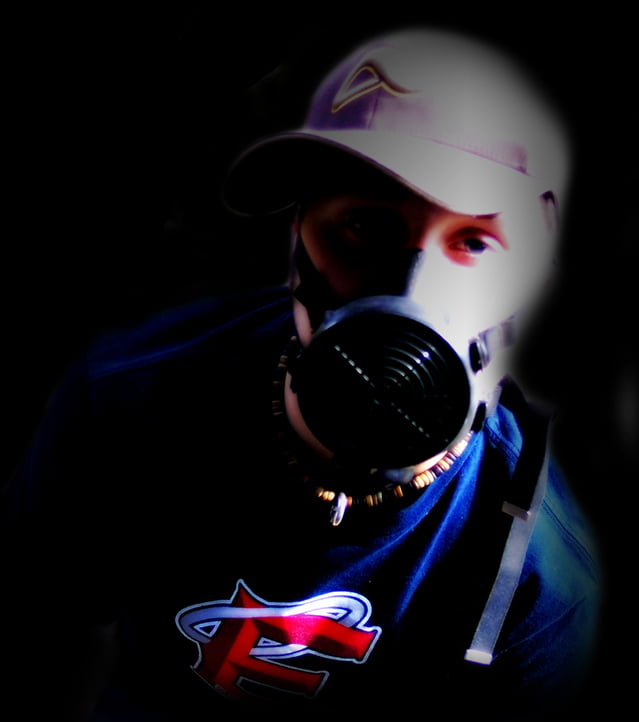
Respirators fall under two classifications: air-purifying and air-supplied. Air-Purifying Respirators (APRs) range from simple disposable cup masks to low-maintenance half-mask facepieces with cartridges and/or filters to the more complex PAPRs with full- facepieces or hoods. Supplied-Air Respirators (SARs), comprise air-line respirators, SCBA, and combination (supplied-air) respirators. Which to use depends on the workplace, the wearer, the hazards, and the particulates—which means that other than being NIOSH-approved, there is no one-size-fits-all solution.
Planned Instruction & Training
Employers are required to instruct all workers who use respiratory protection equipment on which devices are suitable for the application, as well as each devices’ capabilities and limitations. Workers also must be trained on the actual use of the respiratory protection equipment. And, according to OSHA, each wearer must be fit-tested for any half or full face-mask using an eight-point quantitative fit test.
Care & Maintenance of Respiratory Equipment
A meticulous maintenance programme goes a long way toward the success of a sound respiratory protection programme. What does that look like? Inspecting equipment before and after each use, and recording the date of all inspections. While the OSHA standard requires employers to provide users with a respirator that is “clean, sanitary, and in good working order,” OSHA also permits employers to tailor the maintenance programme as long as it includes: cleaning and disinfecting procedures, proper storage, defect and leak check inspections, and repair methods. OSHA also recommends that employers consult manufacturer instructions for inspection, cleaning, and maintenance to ensure that the respirator “remains as effective as when it was new.”
Medical Surveillance & User Evaluation
Wearing proper respiratory protection can help protect the worker. But, as OSHA points out, it also can “place a physiological burden on employees that varies with the type of respirator worn, the job and workplace conditions in which the respirator is used, and the medical status of the employee.” For this reason, OSHA charges employers with the responsibility of ensuring that employees are medically fit to withstand the physical and psychological stresses imposed by the respirator, the job, and the workplace conditions. As such, employers should include both medical evaluation and ongoing medical surveillance as part of their written respiratory protection programme.
Learn more about these key respiratory protection programme elements as well as additional guidance about respirator types and choosing the equipment you need with MSA’s Key Elements of a Sound Respiratory Protection Programme. This guide includes:
- When and why respirators are needed
- How respirators work
- What respirators can (and can’t) do
- OSHA’s Assigned Protection Factors table
- And much more …
Information supplied by MSA.