







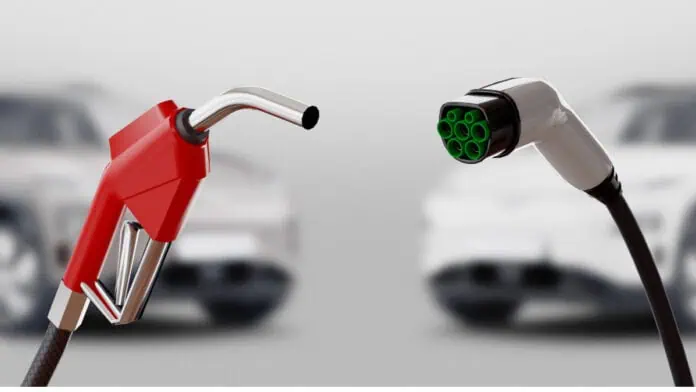
Electric mobility can bring predictability to international energy disruptions
THE energy and oil crises of the 1970s were triggered by conflict in the Middle East, with a global impact on the availability of fuel and increased inflationary pressure worldwide. In South Africa, there was strict fuel rationing, speed limits reduced to 80km/h, and no fuel was sold between 18:00 and 06:00, or on weekends.
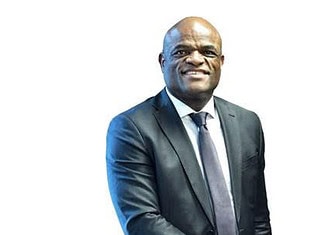
“South Africa is vulnerable to international market shifts,” says Hiten Parmar, Executive Director of The Electric Mission. “The crises of the 1970’s impacted employment, affordability, and stability worldwide. Today we are inarguably more dependent on energy than we were in the 70s, and the events unfolding in the Middle East are a catalyst for greater energy independence.”
South Africa is a net importer of energy, heavily dependent on foreign sources, with oil being the single largest energy import, at nearly 80 percent. The National Energy Regulator of South Africa (NERSA) publishes the registration statistics for generation facilities in South Africa. By December 2025, the total private sector renewable energy projects alone had reached an 18-gigawatt milestone, with solar accounting for 68.3% at 12,5 gigawatts.
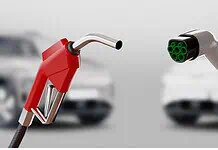
International headlines are already drawing comparisons between fossil fuel and electric mobility, showing increasing interest in the transition to electric vehicles. Despite the largest release of emergency oil stocks in history by member countries of the International Energy Agency (IEA), the global energy market remains unpredictable.
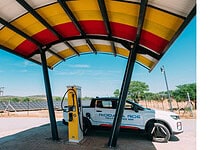
“The transportation of goods and people is vital to modern civilisation, an inescapable link in a global supply chain,” says Parmar. “Nothing moves without a fuel source, and that’s traditionally a fossil fuel. Electric mobility provides an advanced and more sustainable way to move people and the goods associated with everyday life. First mover consumers and businesses are appreciating lower operating and maintenance costs with electric vehicles – an improved total cost of ownership.”
In early 2024, Ethiopia became the first country in the world to completely ban the importation of fossil fuel-powered vehicles following the country’s heavy dependence on costly fuel imports. By replacing imported fuel with domestically sourced electricity, the country aims to strengthen its energy security while also nurturing an industrial base through the assembly and manufacturing of electric vehicles.
“The energy and oil crises of the 70s occurred at a time when there were no viable alternatives for transportation. Being tied to fossil fuel was unavoidable,” says Parmar. “Today, the situation is very different, with the maturity and competitiveness of electric mobility solutions, along with an established and expanding public charging infrastructure network in South Africa.”
Energy security, logistics and the supply chain, as well as economic growth, are at risk during the conflict in the Middle East. Countries need rapid adoption of alternatives in order to create predictability for their local economy and investor confidence.