









Current challenges around energy security, energy prices and the cost of living have intersected with the climate crisis, highlighting the fact that energy efficiency is now more indispensable than ever.
So says the International Energy Agency (IEA), in its recently released report on ‘The value of urgent action on energy efficiency’. The paper states that “the cleanest, cheapest, most reliable source of energy is what countries can avoid using, while still providing full energy services for citizens. That is why the IEA refers to energy efficiency as the ‘first fuel’. Without early action on efficiency, the energy transition to net zero emissions will be more expensive and much more difficult to achieve.”
The new report highlights opportunities for rapid energy efficiency gains in all sectors of the global economy, most of which involve readily-available technologies. Not only this, but these solutions also offer a speedy return on investment based on lower running costs, particularly in light of today’s rising energy prices.
By 2030, around a third of the avoided energy demand will come from deploying more efficient equipment, ranging from air conditioners to cars, it states. Approximately a fifth is derived from electrification, such as switching to heat pumps or electric cars, with digitalisation and the use of more efficient materials in industry providing much of the rest.
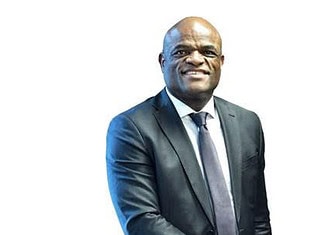
“Energy efficiency has huge potential,” stated Erik Roels, senior sales accelerator at Danfoss, on a recent visit to South Africa. “The improvement of energy efficiency means that the overall energy demand is reduced and that the remaining energy needs are covered in a more efficient way.”
Danfoss champions energy efficiency with serious objectives
An ‘energy efficiency first’ principle is very close to Danfoss’ heart, with the organisation aiming to become carbon neutral in its global operations by 2030. Thus far, the company has doubled its energy productivity and halved energy intensity, nine years ahead of time.
Danfoss will continue to prioritise energy efficiency in buildings and processes, in particular through the use of its own solutions. With more than 90 percent of energy-related emissions coming from electricity, the firm’s next priority is to decrease energy consumption from electricity use. It plans to achieve this by reducing the energy use; reusing the energy it has already used once; and replacing fossil energy sources with renewables.
Through its green initiatives, Danfoss has managed to source 100 percent green electricity for its more than 250,000 m² headquarters, based in southern Denmark. In fact, 2022’s figures showcase that 85 percent of its heating demand is covered by green energy from carbon-neutral district energy, utilisation of excess heat, and heat pumps.
“Danfoss itself is an excellent example of using heat recovery to boost energy efficiency,” said Roels. “At our Nordborg campus, excess heat produced by manufacturing processes and the data centre on site is reused to heat our offices and production areas, using our own solutions in addition to installing heat pumps. As part of our green initiatives, we were thus able to cut our emissions last year by 80 percent, putting us well on track to reach carbon neutral status in 2022.”
Heat recovery: not just for Europe
“This strong focus on waste heat recovery is playing a vital role in energy efficiency and energy saving, and can be embraced by organisations across Africa too,” Roels explained. “While there may not be the same access to the type of district heating infrastructure more common in parts of Europe, there is still an argument to be made for heat recovery locally.”
This would pertain in particular to any industry that has a requirement for cooling, he added. “For instance, a local butchery, which uses refrigeration to ensure that its meat products remain cool, could reuse excess heat generated by the cooling equipment to heat water at the establishment.
“Alternatively, we could consider the requirements of an African dairy farm. As a highly perishable food, fresh milk must be refrigerated as soon as the cow is milked in order to adhere to strict processing and handling requirements. The heat generated by the milk storage tanks could again be reused to heat up water for the cleaning and sterilisation of equipment.
“On the other hand, heat could also be sold on, and it doesn’t have to be on the same scale as a district heating system. For example, a local supermarket could use heat extracted for other nearby shops, perhaps in a strip mall, or for neighbouring residences. In fact, a small retail store could generate enough heat to be used by more than 14 nearby houses.
“Any organisation with its own data centre would also have opportunity to recover heat generated. Not only do the racks and rows of servers within a data centre produce heat but, again, the cooling equipment needed for these machines can also generate significant heat.”
Typically, data centres produce heat at between 25 to 30˚ C. Danfoss uses highly efficient heat pumps to further boost this temperature to 60 to 70˚ C for greater efficacy.
“Installing this kind of system is actually an excellent way of decarbonising whilst still keeping the costs relatively low.
“Globally, we have serious climate targets to meet, in line with the Paris Agreement’s goals to avoid dangerous climate change and limit global warming. Heat recovery will most definitely be part of the solution, allowing organisations to work in a smarter, more cost effective way,” Roels added.
To learn more on Danfoss’ decarbonisation goals, with energy efficiency at the core, please visit https://www.danfoss.com/en/about-danfoss/company/sustainability/decarbonization/