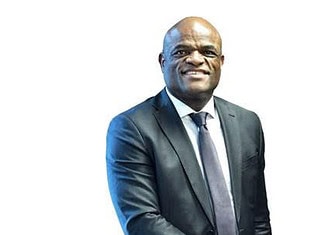










President Cyril Ramaphosa has signed a proclamation to transfer roles and responsibilities to the Minister in the Presidency for Electricity, Dr Kgosientsho Ramokgopa.
A statement released by the Presidency said some powers have been shifted from the Minister of Mineral Resources and Energy, Gwede Mantashe.
“After due consideration, President Ramaphosa has transferred to the Minister of Electricity all powers and functions contained in Section 34(1) of the Electricity Regulation Act, which were previously entrusted to the Minister of Mineral Resources and Energy. The President has also transferred to the Minister of Electricity relevant powers and functions set out in Section 34(2) of the Electricity Regulation Act.
“This proclamation will provide the Minister of Electricity with the powers necessary to direct the procurement of new generation capacity and ensure security of supply. Other powers and functions contained in the Electricity Regulation Act – including those related to the implementation of determinations made in terms of section 34 –will remain with the Minister of Mineral Resources and Energy,” the Presidency said.
The statement explained that President Ramaphosa’s “delineation of powers and functions is directed at ensuring effective coordination and dedicated focus to deal more effectively and urgently with the electricity crisis”.
“The Minister of Electricity will, as the President indicated in the State of the Nation Address, oversee all aspects of the electricity crisis response, including the work of the National Energy Crisis Committee. This will provide a single point of command for government’s efforts to close the shortfall in electricity supply.
“The Minister will work full-time with the Eskom board and management to end load shedding and ensure that the Energy Action Plan announced by the President is implemented without delay,” the statement read.
Section 34 of the provides as follows:
“(1) The Minister may, in consultation with the Regulator –
(a) determine that new generation capacity is needed to ensure the continued uninterrupted supply of electricity;
(b) determine the types of energy sources from which electricity must be generated, and the percentages of electricity that must be generated from such sources;
(c) determine that electricity thus produced may only be sold to the persons or in the manner set out in such notice;
(d) determine that electricity thus produced must be purchased by the persons set out in such notice;
(e) require that new generation capacity must –
(i) be established through a tendering procedure which is fair, equitable, transparent, competitive and cost-effective;
(ii) provide for private sector participation.
– SAnews.gov.za