





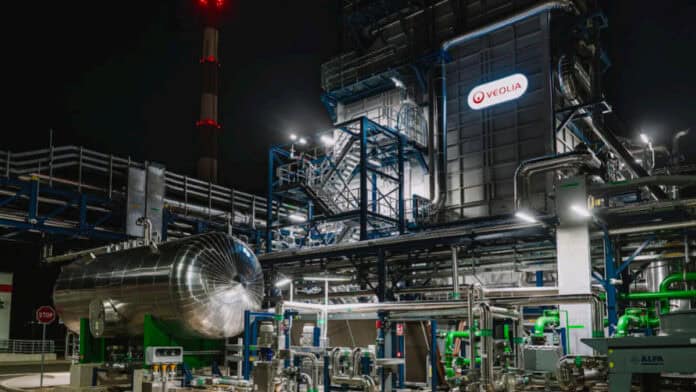
Turning trash into treasure: The waste-to-energy revolution and Veolia’s leadership
AS global waste generation surges toward 3.4 billion tonnes annually by 2050, traditional landfilling has become unsustainable. Waste-to-energy (WtE) technology offers a transformative solution, converting municipal solid waste, biomass, and organic materials into electricity, heat, and fuel while dramatically reducing landfill volumes. Leading this revolution is Veolia, whose comprehensive approach and technological innovation have established it as the sector’s undisputed leader.
The waste-to-energy imperative
Waste-to-energy facilities tackle multiple environmental challenges simultaneously. Veolia diverts waste from landfills, reducing methane emissions – a greenhouse gas 25 times more potent than carbon dioxide. Modern WtE plants reduce waste volume by up to 90% while generating clean energy that displaces fossil fuels. By incorporating biomass feedstocks alongside municipal waste, these facilities enhance their renewable energy credentials and carbon neutrality potential. With mounting energy security concerns and growing circular economy principles, WtE represents resource recovery, not just waste management.
Why Veolia leads the pack
Veolia’s dominance stems from several key factors:
Scale and experience: Operating over 70 energy recovery facilities worldwide, Veolia processes millions of tonnes of waste and biomass annually, generating enough energy to power cities. This unmatched operational footprint provides economies of scale and institutional knowledge that competitors cannot replicate.
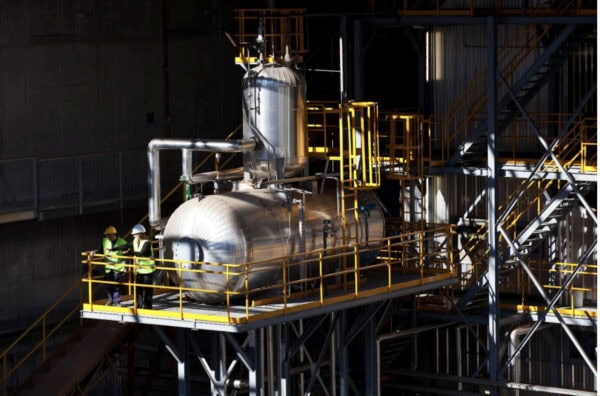
Technological excellence: Veolia continuously invests in cutting-edge combustion technology, advanced emissions control systems, and energy efficiency improvements. Their facilities consistently exceed stringent European emission standards while maximising energy output. Their systems handle diverse feedstocks, including agricultural residues, forestry biomass, and organic waste streams.
Circular economy integration: Unlike competitors focused solely on incineration, Veolia embeds WtE within broader circular economy strategies—combining recycling, composting, biomass valorisation, and energy recovery to extract maximum value from waste streams. Their facilities recover metals from bottom ash and utilise residues in construction materials. Biomass integration enables biochar and bio-based fertiliser production, further closing nutrient loops.
Innovation pipeline: Veolia invests heavily in next-generation technologies, including gasification, pyrolysis, and plasma arc systems, promising greater efficiency and lower emissions. These advanced thermal conversion technologies excel at biomass processing, enabling syngas, bio-oils, and valuable biochemical production. Their R&D commitment keeps them ahead of regulatory curves and market demands.
The path forward
As cities worldwide grapple with waste crises and climate commitments, Veolia’s leadership offers a proven pathway forward. By integrating biomass alongside traditional waste streams, Veolia enhances renewable energy output and carbon reduction potential, aligning with global decarbonisation goals. Veolia’s model demonstrates that environmental responsibility and economic viability need not conflict. By transforming waste and biomass from problem to resource, Veolia exemplifies the innovation and scale required to build truly sustainable communities.
The waste-to-energy sector will only grow in importance. With Veolia at the helm, the future looks cleaner, greener, and more energy-secure.