









The retail industry has undergone a massive transformation with the advent of technology. Beyond the rapid rise of online shopping, retailers are spying innovative ways to hang on to traditional shoppers while diversifying both their channels and their wares.
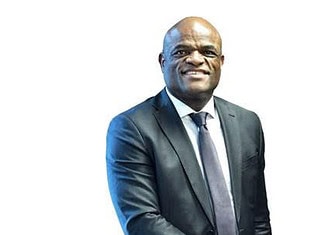
Wipro Limited’s Garth Meier, Business Development Manager: Retail and Consumer Industry for South Africa, shares some insights into the technologies that retailers are investing in, and where retail is headed as these technologies take effect.
Cryptocurrency and the blockchain
The wave of cryptocurrency has lapped over the world, garnering the interest of even the most guarded and technology-reluctant folk. Retailers have cottoned on to this trend, with leading South African retailer, Pick n Pay, trialling Bitcoin payments mid last year. Despite the fact that they have not proceeded beyond trial, Pick n Pay spokesperson cited cryptocurrency as a “game changer” for the retail space, and one which will inevitably be accepted as tender as it matures.
Meier, says however, that it is the technology behind cryptocurrency, called blockchain, which is making a more tangible impact on retail.
“Retailers are exploring blockchain technology to drive core processes such as buying and reselling of stock and regulating logistics. Use cases are gaining traction virtually on a daily basis. Beyond cryptocurrency, the blockchain can also facilitate other payment methodologies, such as voucher or barcode payments, which will eventually encroach on traditional payment methods,” says Meier.
The custom customer
Customer demands are changing, partly because of new shopping habits brought about by technological advancements such as shopping apps, and partly because of the advent of an entirely new generation of shoppers who’ve been born to a world of instantaneous delivery. A natural follow on from this is customisation.
Consumers today are uniquely positioned to demand what they want – and get it too. Meier points out that retailers are leveraging big data and analytics to tailor their services and products to the market. In some cases, going as far as to customise for individual consumer requirements. Customers are reaping the benefits of on-demand products and delivery, from whichever platform they feel most comfortable using.
“Customisation is gaining popularity in the likes of fashion and the automotive industry. The line between retailer and manufacturer is blurring – both have begun selling direct to the customer and retailers have invested in their own private label products. Retailers are moving into the manufacturing space, making use of technologies such as the blockchain, 3D printing, augmented reality and online app-based customer design platforms, where customers can simultaneously create and buy their own unique version of a product.”
It’s all about choice
Consumer demands and retailer’s access to technology are creating an effective meeting or engagement point between customer and retailer, where more choice is available either through the method of purchase, such as apps, or method of delivery, as with subscription-based buying.
“Products are increasingly being offered as a service, a prime example being upcoming car subscription services such as Volvo’s Care,” says Meier. “Retailers in other industries are also exploring this type of offering or looking at ways to integrate service offerings into their delivery, either themselves or through strategic partnerships with emerging players.”
For retailers, leveraging start-ups that can add value to their own customer service, becomes cost effective way of boosting their offering without building or retaining in house services of their own. Meier offers examples of replacing an in-house logistics fleet through partnering with a start-up transport service, or using the likes of PayPal or Zapper instead of traditional Point-of-Sale (PoS) systems to supplement cash and card payment options.
Electronic tokens, SMS and WhatsApp have become normalised interaction channels, particularly for retailers that target the youth. Retailers are using the likes of WhatsApp for more than just communicating with customers; it’s being used to transact, confirm payments and orders, and to inform customers of important information, such as delivery status.
Challenge of change
Meier poses that the challenge with these platforms – as with shared delivery platforms – however, is that they are difficult to monitor and manage.
“While there is value and costs savings to be had by chasing these technologies and partnering with emerging players, in that retailers are able to focus on their core business, measuring the success and true value of these ventures still poses a concern,” explains Meier. “Retailers still rely on records such as delivery notes, purchase orders, etc. For these platforms to be successfully integrated into operational functionality and become auditable, they need to tie in with the retailer’s financial system – which many don’t as yet.”
Keeping it all secure
Where financial information is disclosed, there is always a risk of security breach. Retailers are investing heavily in security measures such as encryption to minimise this risk, boost consumer trust and mitigate potential damage to their reputations. The use of multiple interaction channels such as WhatsApp can be a concern, as the security of these platforms resides with the platform and not the retailer.
“Most shoppers are familiar with the scams out there, such as phishing sites and poor security when buying from sellers via online platforms. Introducing rating systems helps to boost buyer trust and makes buying and selling on these platforms safer, by virtue of using only well-rated sellers. Consumers need to actively use the trust facilities available to them,” says Meier.
Goods-in-transit security is another concern. The introduction of smart dashboards in vehicles, and IoT devices to monitor loads, is opening the door for their use as a security and communication tool, enabling monitoring of goods-in-transit while offering other benefits, like proactive vehicle maintenance.
Change is happening
It’s not the retail industry as a whole that is necessarily driving the demand for technology though. Individual retailers are exploring things such as disruptive payment systems, ways of outsourcing their logistics requirements, or methods to engage with customers through third parties who offer multiple brands across all sectors on a single, interactive platform.
“There is a technological convergence happening in the market place, where consumers can access whatever they are looking for across different traditional industries, in one place, and have it delivered in a manner of their choosing. Maintaining pace with this expectation, and innovating to meet it easier, quicker and with better returns, is driving technological adoption, even as technology drives the change,” concludes Meier.