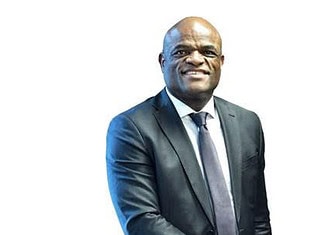










“LOCKDOWN regulations forced companies to rapidly change, adapt and embrace technology in order to keep the wheels of commerce turning. Corporates were faced with little choice about investing in new and increased IT capacity, upscaling their virtual platforms and rethinking their traditional approach to conducting business and engaging with their customers and staff. One area where too many companies are still lagging, however, is resuming their focus on training and skills development,” says Shamila Grever, Learning and Development Consultant for Afroteq Academy.
Grever stresses failure to meet the B-BBEE targets set by Government, will undoubtedly affect a company’s status in 2022.
“Government is particularly focused on encouraging and funding ongoing skills development and training as part of its drive to keep South Africa competitive in the global market, improve workplace productivity and redress historical repression. For this reason, B-BEEE has a specific section that pertains to skills development which stipulates that companies should spend 6% of their payroll on training in order to access the maximum number of points allocated under the Skills Development section on the B-BEEE scorecard,” she explains.
Grever reports that it has become commonplace to see training budgets being slashed, while staff members are being instructed to be more operationally focused make up for losses suffered during lockdown.
“This approach, whilst understandable, is both short sighted and self-defeating since it will have a detrimental impact on a company’s sustainability, staff morale and retention, efficiency and ultimately also its profitability. How companies navigate their training during this uncertain time, offers a direct reflection of their corporate culture of learning”, she says.
All companies with a payroll of R500 000.00 and above are obligated to pay a Skills Development Levy (SDL) to the South African Revenue Service (SARS). This is a legislated, compulsory payment of 1% of the total payroll. However, companies can get 20% of their Skills Development Levy back simply by completing an annual training report and a workplace skills plan. Once approved by their relevant SETA, corporates get a large portion of their contributions back, paid into their account in four tranche payments. The balance of the money can be accessed through the submission of discretionary grant funding applications when the funding windows are advertised by SETA, for example, should additional funding for training be needed,” Grever explains.
Although companies were given an SDL payment holiday of four months, the B-BBEE targets were not adjusted and companies are still expected to reach those targets. Companies still need to prove that they have invested in ongoing skills development and training this past year – regardless of whether their staff worked from home or returned to work as part of essential services.
“The FM industry has the potential of becoming one of the biggest employers in the country and therefore has a high demand for qualified, experienced and properly trained individuals. The pandemic has created new and exciting opportunities to increase technical and practical skills which are supported by an academic qualification. Companies cannot hide behind the pandemic as an excuse for not training or developing their workforce. Every measured entity should be doing everything in their power to maintain their B-BBEE rating. It is not yet too late to invest in training before they have to submit their annual review early next year,” Grever concludes.
- For more visit their website at https://www.afroteqacademy.co.za. E-mail enquiries may be directed to info@afroteqacademy.co.za or call 086 099 5396