











Engineers must be put back at the centre of infrastructure decisions, says IMESA
AS South Africa marks Transport Month, the Institute of Municipal Engineering of Southern Africa (IMESA) is calling for urgent reform in how infrastructure decisions are made. The organisation warns that many failures in transport and public works stem from one critical issue: engineers are being excluded from procurement and planning processes.
“At the municipal level, tender evaluation and bid adjudication committees – which are responsible for awarding billions of rands in infrastructure contracts – are still dominated by non-technical officials,” IMESA asserts. “This has become a systemic issue we’ve been sounding the alarm on for years.”
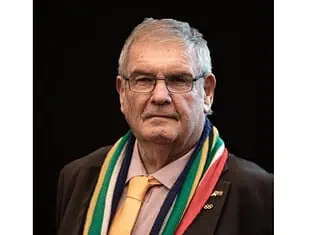
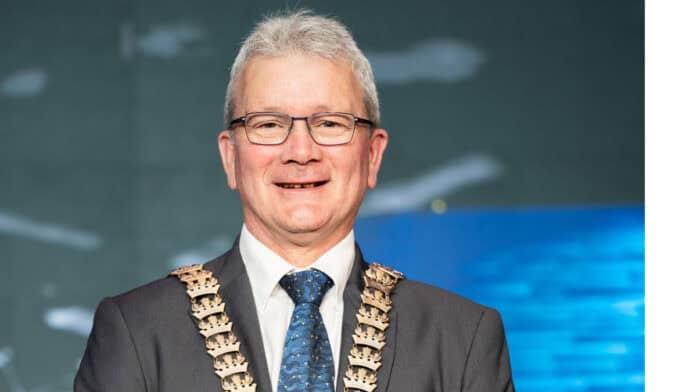
According to IMESA president Geoff Tooley, the consequences are now too severe to ignore. “Tenders are routinely awarded to contractors who lack the technical capacity to deliver. Decisions are often based on the lowest price, not on whether the bidder can actually build what’s required.”
A crisis of quality and accountability
The 2023/24 Auditor-General’s report confirmed the scale of the crisis. Municipal infrastructure projects across South Africa are plagued by delays, cost overruns, and quality issues. In almost every case, these problems can be traced back to poor contractor selection and a lack of proper technical due diligence – areas where engineers are specifically trained to advise.
One stark example is the Modderfontein bridge in Gauteng, which has been in disrepair since 2021. Despite a contractor being paid in full by the Johannesburg Roads Agency, only half the work was completed, leaving motorists to endure years of congestion. A new contractor has since been appointed, but the incident illustrates how poor procurement undermines service delivery.
Transport infrastructure: More than roads and bridges
First launched in October 2005, Transport Month was created to raise awareness of the role of transport in the economy. IMESA stresses that infrastructure is not only about bridges and highways but also about supporting local economies, enabling the flow of goods, and connecting communities.
“To be safe, dependable and lasting, infrastructure must have engineers involved from the outset – from planning right through to procurement and delivery,” says Tooley.
Legal and ethical risks
The current practice of sidelining engineers also creates legal and ethical risks. Under the Engineering Profession Act (46 of 2000), engineers registered with the Engineering Council of South Africa (ECSA) are legally required to uphold standards that protect the public.
This includes rejecting unsafe work or improperly scoped projects. When engineers are excluded from procurement – or their advice is ignored – it forces them into a professional conflict.
“Municipal engineers’ standard role includes evaluating whether budgets match real-world construction costs, and whether bidders have the necessary track record,” Tooley explains. “These assessments are submitted to bid evaluation committees. But too often, engineers’ recommendations are ignored, particularly when we advise against awarding a tender. That is not only reckless – it wastes public money.”
A call for reform
This Transport Month, IMESA is urging municipalities and national departments to:
- Ensure registered engineers are part of all tender evaluation and adjudication committees.
- Make technical recommendations binding, not optional.
- Recognise that engineers’ professional mandate already carries legal authority.
“When engineers are involved early, projects are more likely to be delivered on time, on budget, and with long-term sustainability,” Tooley says. “That means safer communities, stronger service delivery, and more resilient economies.”
“The current approach is not working. If South Africa is serious about building infrastructure that lasts, engineers must be at the decision-making table from day one. Anything less is a risk we simply cannot afford.”