









Localisation as the engine of SA’s automotive competitiveness in a rapidly changing global market
SOUTH Africa’s automotive industry is at a strategic inflection point. Global value chains are being reshaped by electrification, tighter carbon regulations and geopolitical supply-chain shifts. In this environment, the competitiveness of locally manufactured vehicles increasingly depends on the strength, agility and depth of the domestic supplier base. Localisation is not a slogan; it is a competitiveness strategy that directly influences OEM cost structures, production continuity, export viability and future investment decisions.
The sector remains a cornerstone of South Africa’s industrial economy, contributing more than 5% to GDP. Component manufacturing alone generated R63.4 billion in exports in 2024 and directly employs over 80 000 people, supporting more than 500 000 livelihoods across the value chain. Yet over 60% of the components used in local vehicle assembly are imported, exposing OEMs and Tier 1 suppliers to currency volatility, rising freight costs, logistical delays and supply disruptions.
Localisation streng-thens resilience and underpins competitiveness. Sourcing components locally reduces exposure to exchange-rate fluctuations, shortens supply chains, lowers logistics costs and improves responsiveness. For export-oriented plants, a stable and cost-effective local supply base is increasingly central to securing future model allocations.
The South African Automotive Masterplan targets increasing local content from 40% to 60% by 2035. Even modest gains matter: a 5% uplift under the APDP could unlock R30 billion in domestic procurement, far exceeding South Africa’s R4.4 billion US export market, according to DTIC estimates.
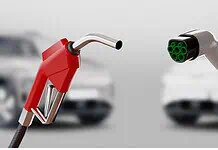
Realising this potential requires targeted supplier development, particularly for SMEs needing machinery upgrades, productivity improvements and certifications such as IATF 16949. The transition to new energy vehicles (NEVs) presents a major opportunity.
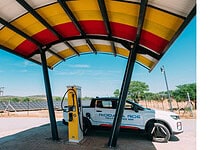
The global EV components market is projected to reach US$654 billion by 2030, driving demand for batteries, power electronics, aluminium structures and thermal management systems. With its mineral resources and established industrial base, South Africa is well-positioned to localise high-value EV components.
Existing capabilities in areas such as seating, interior trim and wheels can adapt to hybrid and EV platforms, while emerging fields including battery assembly, high-voltage systems, hydrogen fuel cells and micro-emobility solutions offer additional entry points.