









Municipalities: What to look for in waste compactors
AS South Africa’s urban populations grow and waste volumes rise, municipalities face mounting pressure to manage waste more efficiently, sustainably and cost-effectively. Investing in robust, well-supported refuse compactors is one of the most impactful ways to streamline collection, cut operational costs and improve service delivery.
Sonia Pretorius, National Sales Manager at 600SA, a division of CFAO Equipment, outlines the key questions municipalities should ask when selecting new compactors and partnering with suppliers.
How do high-quality compactors reduce waste collection costs?
According to Pretorius, superior compaction technology maximises the volume of waste collected per trip. Effective compactors compress refuse at a ratio of roughly 6:1 — meaning one compactor truck can carry the equivalent load of two to three non-compacting vehicles.
“This translates directly into fuel and vehicle savings,” she says. Fewer trips to landfill reduce diesel consumption, slow the wear-and-tear on municipal fleets and lower labour and landfill gate fees. For municipalities charged per trip or volume, strong compaction performance helps keep these costs in check while improving service reliability.
What long-term savings do robust compactors deliver?
Municipalities stand to benefit in three major cost areas:
Extended vehicle lifespan: With fewer trips required, the chassis and major components experience less road stress. This extends the operational life of the truck and reduces the urgency of fleet replacement cycles.
Reduced downtime and repairs: High-quality components, proper assembly and strong after-sales support mean fewer breakdowns and fewer disruptions to weekly collection schedules.
Lower landfill expenses: South Africa’s landfill capacity is under strain. By reducing waste volume, compactors help extend the lifespan of existing sites and delay the capital-intensive development of new landfills.
What should municipalities look for when choosing compactors?
Pretorius emphasises the importance of equipment engineered for South Africa’s harsh urban conditions. Roads, terrain and municipal waste profiles differ significantly from European or Asian environments.
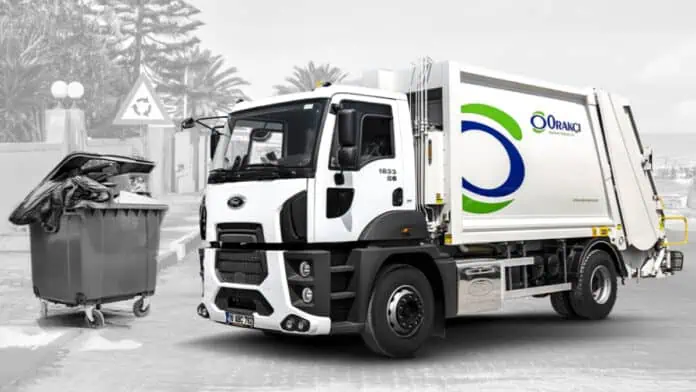
“For example, our Orakçi compactors include metal plating that protects hydraulic systems from uneven road surfaces and low-hanging branches,” she explains.
Key features worth prioritising include:
Robust, corrosion-resistant construction: Compactor bodies should use strong, corrosion-resistant steel to withstand varied climates and corrosive wet waste.
Zero-leak design: Fully welded bins prevent wastewater leakage, reduce clean-up costs and improve public hygiene.
Strong safety features: Municipalities should confirm the presence of operator-safety mechanisms, safer bin lifters and improved ergonomics to reduce manual handling risks.
How can municipalities reduce downtime and repair costs?
Municipalities should ask suppliers:
- Are hydraulic systems durable and designed for heavy-duty municipal usage?
- Are components easily accessible for field maintenance?
- Does the supplier stock genuine parts locally to avoid long delays?
High-quality hydraulics and easy-to-service components reduce the Mean Time Between Failures (MTBF), ensuring fleets remain productive and reliable even during peak collection periods.
What is the average lifespan of a compactor?
A well-maintained refuse compactor truck generally lasts between 10 and 20 years, depending on workload and maintenance discipline. Pretorius notes that lifespan has a direct impact on budget planning: “When capital investment is spread over more operational years, annual depreciation costs are significantly reduced.”
Reliable equipment, paired with a preventative maintenance schedule, protects municipalities from unexpected breakdowns and unbudgeted replacements — a common challenge in stretched municipal budgets.
What aftermarket support should municipalities expect?
A compactor purchase should be backed by a comprehensive support plan. Municipal operations often run 24/7, so municipalities should insist on:
- Thorough operator training for efficiency and longevity
- Flexible service contracts, including weekend options
- Mobile technicians for rapid repairs
- Clear response-time commitments to eliminate collection backlogs
Robust support structures reduce downtime and keep waste collection consistent.
How do compactors help municipalities achieve landfill reduction goals?
Compactors are central to South Africa’s Waste Management Strategy and to achieving Vision 2030 sustainability goals. High compaction ratios reduce the volume of waste going to landfill, thereby extending the operational life of existing sites.
Pretorius adds that compactors are essential to modern waste-separation and wheelie bin programmes. “By improving collection efficiency, municipalities reduce the number of vehicles required on the road, which lowers fuel consumption and carbon emissions. It’s a direct contribution to cleaner, greener communities.”