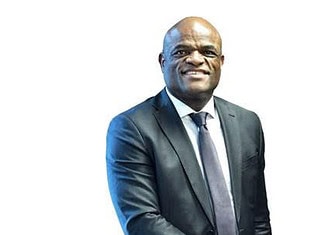









The South African motor industry is holding up surprisingly well in a tough economicenvironment that is being exacerbated by political turmoil. This is the opinion of renowned economics commentator Dr Azar Jammine, Director and Chief Economist at Econometrix. He made this statement when addressing guests at the launch breakfast for Automechanika Johannesburg recently.
The biennial Automechanika Johannesburg trade fair for the automotive aftermarket will be held at Expo Centre from September 27-30. This year it will be co-located with Futuroad, a truck, bus and trailer show and Scalex, a trade fair for transport systems, infrastructure, and logistics solutions.
Jammine explained that the decline in new vehicle sales in recent years had affected the retail sellers negatively, but it would provide a boost for the after-sales market as people would now keep their current vehicles longer which meant they would require added maintenance and service.
The economist said although the country was technically in a recession, with negative growth for two consecutive quarters, there were some bright points in the local economy with the motor industry being one of them. Encouragement also comes from a rise in the demand for electricity, a lower-than-expected inflation rate, vehicle price increases slowing, the price of fuel falling, a big improvement in the motor industrytrade balance and a brighter outlook for the global economy.
He noted that South Africa remained the biggest vehicle market in Africa by far, accounting for 37% of new vehicle sales on the continent. North African countries Egypt, Morocco, Algeria, Tunisia, and Libya followed it. Interestingly, the island of Reunion, in seventh place, recorded more new vehicle sales (27 697) than eighth-placed Nigeria (20 000), which had been seen as Africa’s powerhouse, but is now battling with a big downturn in its economy as the oil price stays comparatively low.
Jammine said that unemployment remained a major challenge for economic growth in South Africa, while services continued growing faster than manufacturing, which provided proportionately more jobs.
“Another inhibiting economic growth factor is the fact that education in South Africa has been found wanting, with very poor results in terms of learners matriculating with good marks for maths and science,” explained Jammine. “Only one learner in 40 gets a matric with a maths mark of 60% or higher.
“Although the effect of the downgrade by the ratings agencies have not been unduly dramatic yet, they will obviously impact on future investment decisions as does the current political turmoil, which is affecting business confidence negatively.”
However, the Econometrix Chief Economist said he still expected new vehicle sales to move into a growth phase next year, while the vehicle manufacturing industry continued to grow its share within overall manufacturing and as a contributor to the gross domestic product (GDP).
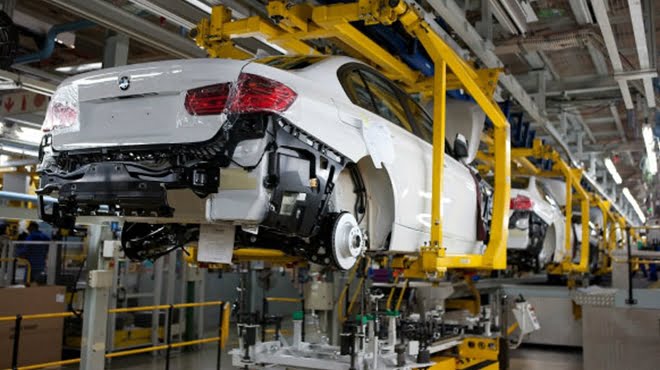
He added that the local motor industry remained a very important player in terms of exports from South Africa of built-up vehicles, automotive components and replacement parts which was good news for the overall health of the industry. Automotive exports had grown 80.3% between 2012 and 2016, while the rate of imports was slower with an increase of 48.7%. This had resulted in a significant drop in the motor industry’s trade deficit over the past five years, going from R42.3-billion in 2012 to R32.9-billion in 2016.