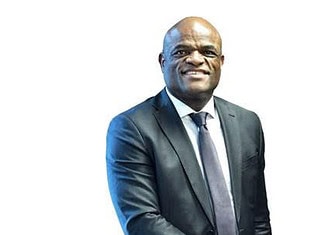










By Robert Erasmus, Managing Director at Sanitech
South Africa’s water crisis is no longer looming. It is already here. Ageing infrastructure, rising pollution levels and increasing demand are converging to create a national emergency. Clean, safe water is critical not just for public health but for economic development and social stability.
To move forward, water treatment must become part of a broader infrastructure renewal agenda. This includes decentralised solutions, private-sector innovation and long-term investment.
The state of the system – infrastructure and quality in crisis
Many South Africans still believe tap water is safe to drink. Yet according to the Department of Water and Sanitation’s 2023 Blue Drop Report, only 14% of the country’s water supply systems consistently meet good quality standards. This means that nearly one in two municipalities supply water that could pose a serious health risk. The picture is equally troubling on the wastewater side, with the Green Drop Report revealing that 64% of wastewater treatment plants are classified as high or critical risk. Untreated effluent is entering rivers and dams, contaminating vital water sources and placing more pressure on drinking water systems.
Some provinces are worse off than others. In Mpumalanga and the Northern Cape, over 60% of audited water systems fail microbiological and chemical compliance tests. This means a glass of water from the tap in these areas could carry an acute health risk, as many municipalities simply do not have the capacity to meet rising demand. This is especially the case in fast-growing areas like the North Coast of KwaZulu-Natal and parts of Gauteng.
Why decentralised treatment is becoming essential
As infrastructure crumbles and population patterns shift, decentralised water treatment is emerging as a vital solution. In areas where municipal systems cannot support new developments, private developers are already being forced to build their own water and wastewater treatment plants. These systems can range from small-scale units for individual homes to plants that service thousands of households.
Decentralised treatment is not only a response to infrastructure gaps; it is also a form of risk management. Businesses and homeowners increasingly need to treat water on-site to ensure safety, especially in regions where municipal quality is unreliable. Post-meter solutions such as filtration, UV treatment or chemical dosing can help remove contaminants that pose a health risk.
At the same time, innovation in wastewater recycling and greywater reuse is gaining momentum. For many companies, this is not just about necessity. It is also an Environmental, Social and Governance (ESG) consideration. Reducing water consumption and recycling waste streams are increasingly seen as part of responsible business practice.
Skills matter as much as systems
Technology and infrastructure alone are not enough. South Africa’s water crisis is also a human capacity issue. According to the Blue Drop Report, over 50% of plants lack properly skilled technical operators. This shortfall in expertise is one of the primary reasons many facilities are failing to meet basic water quality standards.
The technical management score across all provinces sits at just 35.8%. Four out of nine provinces are rated as critical in this area. Simply put, the country’s water systems are underperforming not only because they are old, but because they are often poorly managed.
Upskilling plant operators and improving technical management must become a national priority. Without this, new systems and upgrades will not deliver the results needed to protect communities and businesses.
An urgent call to action
While long-term infrastructure investment is essential, there are practical, scalable interventions that can make an immediate difference:
- Invest in decentralised plants to supplement or replace failing municipal systems in high-risk areas.
- Support post-meter treatment so that homes and workplaces can access clean water even when municipal systems fall short.
- Streamline water-use approvals to fast-track projects in areas facing immediate supply challenges.
- Improve operator training and technical oversight to lift compliance and performance.
- Encourage public-private partnerships to unlock funding and drive innovation.
Policy must also play a critical role. Here, red tape must be reduced to allow faster implementation of solutions. Particularly, water-use licences and infrastructure approvals should not take months when communities are already at risk.
South Africa’s water systems are moving in the wrong direction. The latest reports show a decline in performance, with more municipalities falling into critical condition. Turning this around will require urgency, collaboration and a shared commitment to safeguarding the country’s water future.