







DGB, the Wellington-based liquor group, has found new owner and instituted a new leadership structure aimed at pursuing new growth opportunities in a post Covid-19 environment.
Last month investment company Brait – which has retail tycoon Christo Wiese as a major shareholder – sold its controlling stake in DGB to private equity firm Capitalworks and outgoing (and long serving) CEO Tim Hutchinson.
The size of the transaction was not disclosed by DGB. But Brait’s latest investment reports suggest a figure of R470 million.
Transactions of this size in the liquor industry are fairly rare these days. The last ‘big deal’ saw Hosken Consoilidated Investments selling its controlling stake in Paarl-based KWV to billionaire Viv Imerman for R1.15 billion 2016.
DGB is the owner and producer of leading wine brands like Boschendal, Brampton, Franschhoek Cellars, Bellingham, Douglas Green, Tall Horse and The Old Road Wine Co.
The company also owns spirit brands like Strawberry Lips cream, Zappa Sambuca, PO 10 C, Tang Sour Apple, Tant’ Sannie Melktert cream and Butlers liqueurs. DGB also distributes well known international brands like Jägermeister, Bacardi, Patron, Grey Goose, Bombay Sapphire, Bavaria, Fever Tree, San Pellegrino and Acqua Panna as well as iconic local wine brands Kanonkop, Graham Beck, Steenberg and Vergelegen.
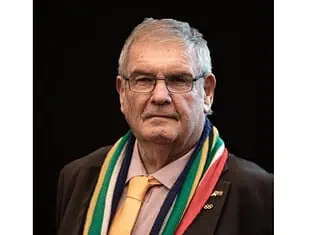
The deal coincides with Hutchinson stepping down as CEO after an astounding 30 years at the helm. Hutchinson will hand over to Ricardo Ferreira, the current CEO of DGB South Africa.
Hutchinson – who spearheaded a management buyout from late mining magnate and wine industry doyen Graham Beck in 1999 – will become executive chairman.
Hutchinson’s tenure at DGB was most fruitful. Since his appointment as CEO of DGB in 1990, he led the company through a growth phase that included developing an international wine business in over 70 countries as well as establishing a major production, winery, bulk-storage and bottling facility in Wellington. In 2005 DGB acquired the iconic Boschendal wine estate, and then bought Franschhoek Cellars in 2009 and Brampton in 2012.
Hutchinson reckoned Capitalworks was an ideal partner for DGB due to their energetic pursuit of investment opportunities and the ability to unlock value for investors. “Capitalworks also has a very solid understanding of DGB’s business.”
He pointed out that Chad Smart, the founder of Capitalworks, had served on the DGB board of directors for eight years. “Having Capitalworks invested alongside us, I am positive that we can really grow the business in the future, in a rapidly-changing and exciting environment.”
Hutchinson added that Ferreira was the ideal person to take over as group CEO – especially in steering the company through the damaging outcomes caused by the abrupt shut down of the South African liquor industry as a result of the Covid-19 lockdown.
“Ricardo is my logical successor as he has been running our South African business very successfully since joining DGB in 2014 from SA Breweries.”
Interestingly, Ferreira’s promotion means that two of the biggest liquor groups in the Western Cape are headed by former SA Breweries executives – with Distell headed by Richard Rushton, who also served in a very senior capacity in the beer giant.
Garth Willis, a partner at Capitalworks, said that the investment company focussed on partnering with exceptional management teams in businesses that offered the opportunity for significant growth. “We are extremely excited about investing alongside Tim, Ricardo and the rest of the DGB management team, who have grown the brand portfolio over the years and demonstrated an ability to guide the company through recent challenges.”
Hutchinson believed the new energy at DGB would serve the company well at a time that the South African landscape for liquor companies had changed.
“I don’t think I need to tell anyone how much the liquor industry has suffered during the protracted shutdown. DGB was certainly no exception. However, we went ahead with the transaction as we are investing for the long-term.”
He said much potential lay in the premium sector of DGB’s wine brands, where there were excellent growth prospects both internationally and in the local market.
“One of the strengths of our business is that over 60% of our wine sales are in the international markets, to which we could continue exporting during the local lockdown.”