











Agri SA implores Government to redress the nations collapsing infrastructure.
THE GDP result for the fourth quarter of 2021, which were announced by Stats SA early in March 2022, clearly demonstrate the immense contribution that the agricultural sector makes to the South African economy, as well as its potential to provide even greater opportunities for job creation and earning of foreign exchange through agricultural exports.
Yet the sector’s growth continues to be hindered by declining infrastructure, amongst many other challenges.
In its GDP report, Stats SA announced a 1,2% growth in GDP in the fourth quarter of 2021. The report identified agriculture as one of the key drivers of growth. The agricultural sector was the best-performing economic sector, contributing 12,2% to the country’s total economic activity.
Despite these good results, Stats SA noted that the economy has yet to recover to the levels of the second quarter of 2021, before the civil unrest in July 2021 and the stricter lockdown measures of the third quarter.
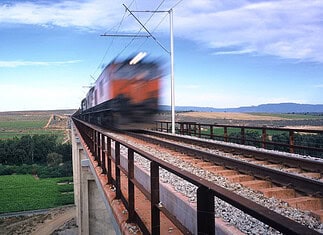
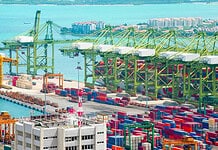
The sector’s performance belies the challenges that threaten to derail its continued success. The most important of these challenges is the state of South Africa’s critical infrastructure, especially roads, freight and our failing ports. This is a critical challenge South Africa must address in order to consolidate the gains of the past quarter and accelerate South Africa’s economic recovery.
Now more than ever, government must play its part in aiding the economy’s recovery by prioritising investment in the repair and maintenance of the country’s critical infrastructure.
As it stands, the sector’s performance in the current quarter is already under threat. In addition to the sector’s vulnerability to variables including weather and global market trends, the current crisis in Ukraine will undoubtedly have negative consequences. Input costs like petrol have risen significantly, and other input costs like fertiliser, of which Ukraine is an important exporter, are also expected to rise.
While conflict in Europe is beyond government’s control, national infrastructure is not.