



ITAC review of sugar tariff must protect rural jobs and livelihoods, says SA Canegrowers
SA Canegrowers will participate constructively in the newly gazetted International Trade Administration Commission of South Africa (ITAC) sugar tariff review process, with the expectation that full and proper regard is given to the risk facing rural jobs and livelihoods. Were there to be a collapse in domestic sugar production as a result of heavily subsidised cheap sugar imports entering South Africa, the country risks job losses and increased poverty.
Growers are already experiencing devastating financial losses due to the surge of imports. In 2025 this impact has already been in the region of R733 million, as imported sugar has displaced locally grown sugar in the market.
It is critical that the Dollar-Based Reference Price (DBRP) is assessed against the realities of the global sugar market and continues to function as part of a fair South African trade policy. The current DBRP is already not appropriately calibrated to these market realities and has allowed a record surge of imported sugar to enter the country and displace locally grown produce. Not adjusting the DBRP to a fair level puts rural livelihoods at risk.
The latest analysis by SA Canegrowers shows that 177,408 tons of duty-paid sugar entered South Africa between January and November 2025, compared to less than 3,000 tons in the same period in 2022. This dramatic surge is despite the tariff on imported sugar being adjusted to align with the world sugar price and is a clear indicator that the DBRP – the mechanism to calculate the import tariff – is outdated.
A lower DBRP, as per the BevSA application to ITAC, may deliver short-term benefits to sugar importers and BevSA members, but the longer-term impact would decimate the domestic value chain. The global sugar price fluctuates, and the current low price will not last forever. Destroying the local sugar-producing industry for short-term gain is short-sighted and will only harm South Africa’s economy in the long run.
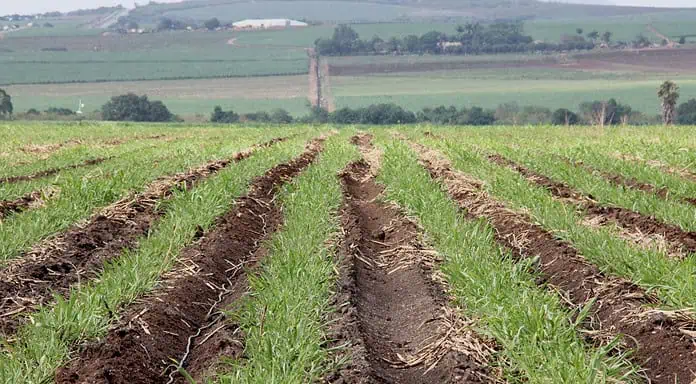
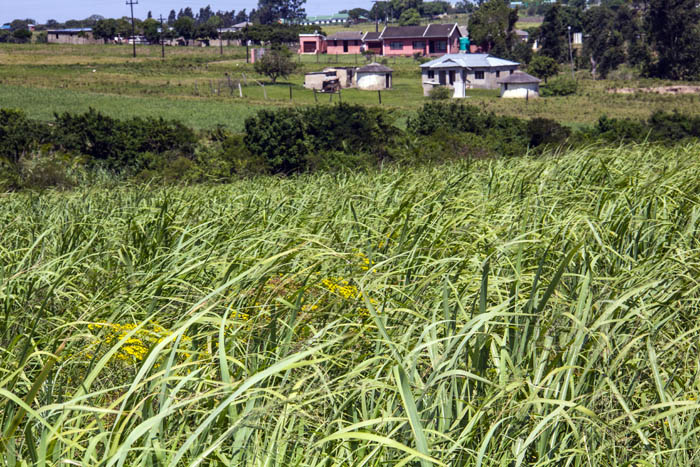
The surge of sugar imports, which would only worsen if BevSA’s lower DBRP calculation is accepted, will push many growers out of business. The rural economies of KwaZulu-Natal and Mpumalanga depend on the 27,000 small-scale and 1,100 large-scale growers who provide vital stability and economic activity in their communities. Over a million livelihoods depend on the sugar industry and a lower tariff regime with the resultant flood of imported sugar will be devastating.
SA Canegrowers will participate constructively in the review process, and we urge ITAC to ensure that the review process will recognise that rural jobs and livelihoods are at risk, in a country that cannot afford to push more people into poverty.