










Removing food and beverage wastewater risks with DAF
SOUTH Africa is rich with excellent food and beverages, produced by a local industry worth over US$20 billion. Water is a crucial part of its success, from preparation to cleaning. But wastewater is also a major challenge for the food and beverage sector, creating additional costs, environmental responsibilities, and stringent regulatory requirements.
Food and beverage (F&B) companies need a flexible and high-value water treatment solution that is also exceptionally effective at capturing organic and oily contaminants. A modern and modular solution called dissolved water floatation (DAF) provides the answer.
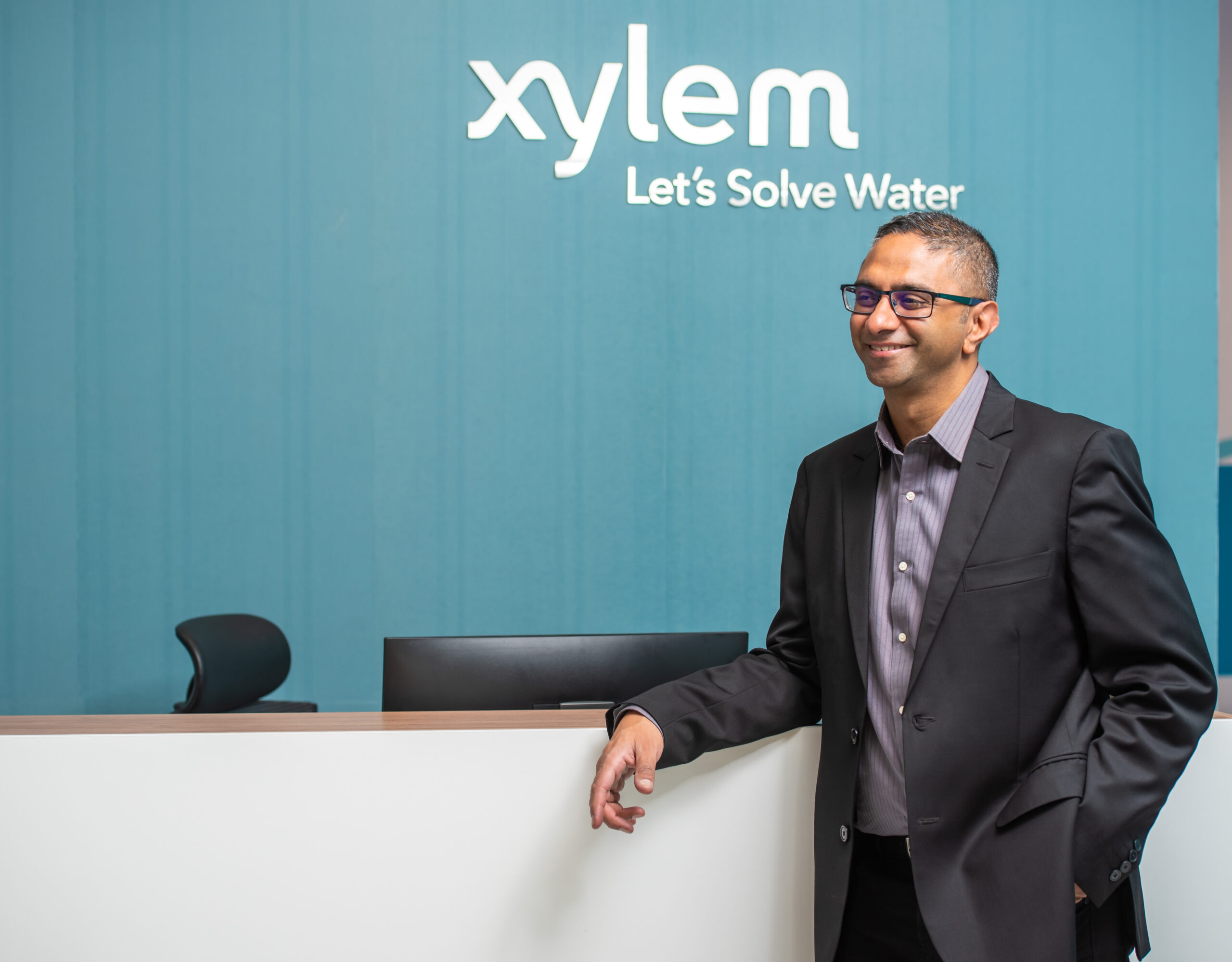
“Water touches every part of food and beverage production, and wastewater is one of the biggest operational risks the sector faces,” says Chetan Mistry, Strategy and Marketing Manager, WSS (AMETI). “Effluent from food and beverage plants carries high levels of organic contaminants, which puts processors under pressure to meet compliance standards and limits their ability to reuse water. Removing this organic load is a constant challenge, and that’s why DAF is gaining so much traction as a reliable, fast-acting treatment step, easy to deploy in existing systems.”
Organic load: An environmental and compliance concern
Organic matter in water poses unique environmental, regulatory, and food safety risks. Wastewater from F&B operations contains high levels of biodegradable material and suspended solids. As microbes break down this organic load, they consume dissolved oxygen which can degrade receiving environments, suffocating fish and other aquatic organisms.
To manage the impact, manufacturers monitor key indicators such as biological oxygen demand (BOD), chemical oxygen demand (COD), suspended solids (TSS), and fats, oils and grease (FOG). These parameters guide how water must be treated for reuse, irrigation, or safe discharge under national regulations.
“Organic effluent poses unique challenges to other types of contaminants, and organic material is ever-present across F&B processes. It’s a constant challenge for companies that want to reuse water, recycle organic material from waste streams for byproducts, or meet their environmental responsibilities,” says Mistry.
The F&B sector manages multiple distinct waste streams, from ingredient-contact water to washdown and utility water, each requiring different treatment processes. This complexity is one of the reasons technologies such as DAF are increasingly used to remove solids and fats at the front end of treatment.
Managing organic matter with DAF
DAF systems are compact and modular making them easier to install and operate, and they can be permanent or temporary, even rented—ideal for targeting specific wastewater streams inside F&B operations.
The DAF floatation technique is also particularly effective at removing fats, oil, and grease (FOG), and fine solids and colloids. A DAF system dissolves air into water under pressure, then exposes the water to atmospheric pressure, creating microscopic bubbles that surface small and hydrophobic particles to be skimmed away.
This technique has several advantages:
- Removes FOG, solids and particulate-bound organics, reducing downstream BOD/COD loads.
- Optimises chemical use by improving coagulation and flocculation efficiency.
- Contains few moving parts, resulting in relatively low maintenance requirements.
- Enables recovery of valuable solids or byproducts where applicable.
DAF systems are very productive on their own and when combined as a pretreatment ahead of other systems. A case study published in the National Library of Medicine journal found that DAF feeding a membrane system removed 92% of COD and 94% of total suspended solids. These results are compelling, says Mistry.
“DAF systems were first adopted in pulp and paper applications, and today are used across many industries that manage high-strength wastewater. Industries that manage wastewater for reasons such as cost, efficiency, and regulations are adding DAF systems because they are versatile, target a wide range of contaminants, and are very effective.”
Those industries include F&B companies, where DAF is changing the value that they produce from their water streams.
To learn more, visit https://www.xylem.com/en-za/info/daf-rentals-food-beverage/