










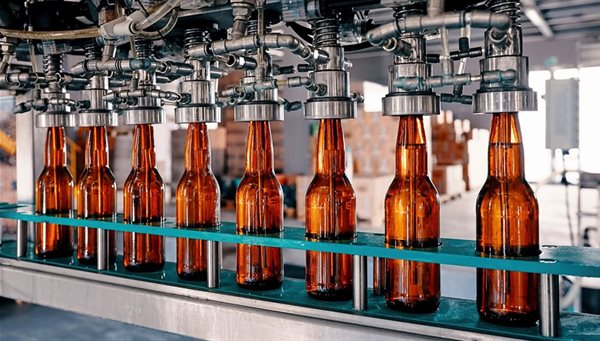
South African Breweries (SAB) have laid off 550 temporary workers indefinitely with immediate effect due to the newest ban on the sale of alcohol, reports Business Times. This brings SAB’s current workforce to 5357.
The affected staff, who mostly form part of the company’s supply and logistics division, received their last payment on Friday, January 22. Business Times reports that they will not be paid during their suspension
Speaking to the newspaper, SAB’s vice-president of corporate affairs Zoleka Lisa explained that they had to make this decision because of the strain the latest booze ban has put on the company’s ability to operate.
“The third alcohol ban has resulted in reduced demand for temporary workers’ skills. This is no fault of their own but rather a result of the current operating environment,” she said. “We realise the impact this decision will have on 550 families who will sadly have to go without because of the uncertainty of the alcohol ban.”
It’s not only SAB facing challenges amid the renewed ban. Dutch Beer company Heineken announced on Tuesday night [January 19] that it would reduce its South African workforce by 7% as a result of mounting pressure related to government-imposed alcohol bans because of the COVID-19 pandemic.
On December 28, 2020 President Cyril Ramaphosa announced the ban on the sale of alcohol would be reinstated effective immediately for the third time since South African went into lockdown in March 2020.
In early January 2021, SAB announced they plan to take the government to court to challenge the latest booze ban. While the ban has helped reduce pressure on the healthcare system amid the second wave, SAB argues that it infringes on the rights of South Africans.
“SAB believes that any ban, including the current one, goes far beyond what is reasonable and necessary to contain the spread of the virus and unlawfully restricts various right that are enshrined and protected by our constitution. These include the right to freedom of trade, the right to human dignity, privacy, and the right to bodily and psychological integrity.”
They continued: “Challenging the constitutionality of the ban, which removes the South African public’s right as adults to responsibly consume a beer safely in the privacy of their own homes, is an integral part of SAB’s action. The damage to the South African economy and impact on the alcohol value chain arising from the ban on the sale of alcohol is, in SAB’s view, disproportional and unlawful.”