











Digital delivery gives construction a new competitive advantage
DIGITAL delivery remains a relatively new but growing capability in South Africa. As the construction and infrastructure sector evolves, information is becoming a highly valuable asset. Technologies such as digital twins, AI-assisted design and lifecycle data integration can help investors and developers maximise that value. For built environment practitioners, the ability to structure and validate project information and use that data more effectively will become a key competitive advantage.
The construction and development sector is under increasing pressure to deliver more complex projects, faster and with greater certainty. Across individual buildings, mixed-use precincts, residential estates and critical infrastructure, project teams must manage growing volumes of information while simultaneously reducing risk and improving coordination. In this environment, the ability to manage information effectively is becoming as important as managing cost, complexity, programme and design quality.
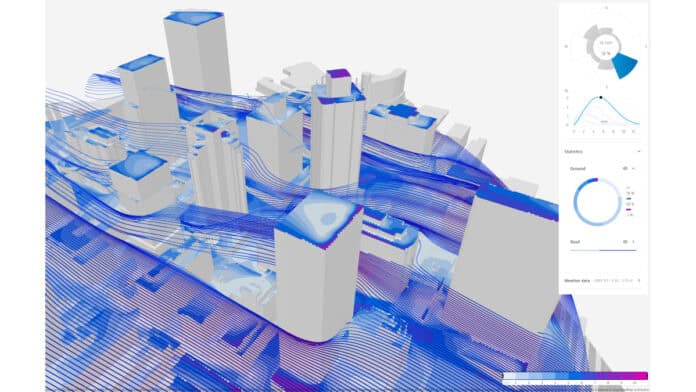
Traditional proect delivery models fall short of these expectations. Fragmented information, disconnected workflows and document-based processes can hamper progress and add risk. Digital delivery addresses this fragmentation, enabling teams to work within a structured, shared environment with a single source of trusted information. Building information modelling (BIM), digital twins and lifecycle data integration improve information quality and decision-making. Together, these technologies enable better collaboration and this creates greater certainty, particularly for clients who need to balance cost pressures, programme constraints and evolving regulatory requirements.

For dhk Architects, that perspective has been shaped by the practical realities of delivering technically complex projects across multiple geographies. dhk’s Head of BIM, Kershlen Moodley, explains: “We analysed our processes and saw that information was often dispersed across platforms, coordination relied heavily on manual processes and project teams spent significant time validating, locating and managing information rather than using it to drive better project outcomes.”
The process elevated the dhk BIM team’s delivery capability significantly in the last few years. “The process of digitalising our delivery has been a game-changer for our project teams. We now have 15 people; the BIM Coordinators and Managers who are working on projects all around the world, including building digital twins and developing the digital frameworks for public sector entities and private developers. It’s an endorsement of the improvements we made and growing recognition of our leadership and expertise.”
Reliable, real-time information reduces duplication of effort, improves efficiency and gives clients clearer visibility of project progress, and confidence in project delivery. For clients, this level of certainty supports earlier, better-informed decisions and helps professional teams manage complexity before it becomes a construction problem. “Better coordination reduces rework and improves information quality,” says Moodley. “When clients have clarity on the design intent, they have greater confidence in the decisions being made,”.
But information as an asset continues to add value beyond the construction period, particularly for municipalities, developers and infrastructure providers who are investing in long-term assets. “The quality of information available at handover becomes increasingly important,” explains Moodley. “Structured digital information established at the outset of a building’s operational lifespan can support improved facilities management, more efficient asset maintenance and stronger lifecycle planning.”
Digital twins and common data environments allow owners and operators to derive value long after construction is complete. They also support sustainability objectives. Having validated coordinated design information in place reduces redesign and project waste. With better asset data, building owners and asset managers can plan maintenance schedules more effectively and can procure replacements for repairs more efficiently.
Treating information as an asset requires visionary leadership and a commitment to shared ways of working. “Meaningful and lasting change occurs when digital tools are embedded within project delivery rather than operating alongside existing processes,” says Moodley. Organisations that develop the expertise to see information as a valuable asset rather than a tool for project delivery can reduce risk for project teams and clients operating in increasingly complex local and international markets.