




Food-grade lubricants: keep SA export doors open
EVERY time a conveyor belt moves your favourite snack from one station to the next, a food-grade lubricant is quietly at work behind the scenes, keeping production safe, hygienic, and efficient. These specialised lubricants don’t just keep machines moving; they protect consumer health and ensure compliance with global food safety standards.
On World Food Day last month, the focus was once again on building safer, more sustainable food systems. For South Africa’s food and beverage manufacturers, that responsibility extends beyond farming and packaging – it also lies in the unseen details that safeguard quality. And one of those details is the choice of lubricants.

Why food-grade lubricants matter
- Food-grade lubricants are specially engineered to be:
- Non-toxic and odourless, so they won’t compromise product quality.
- Resistant to contamination, even in high humidity, temperature fluctuations, or during washdowns.
- Reliable under stress, ensuring bearings, chains, and gearboxes perform consistently.
In an industry where downtime means lost revenue and product recalls can devastate reputations, the right lubricant is a frontline defence. It’s a silent contribution, but one that keeps the entire production line moving – literally
and safely.’
The global compliance imperative
For South African producers exporting to the European Union (EU) and the United States, meeting international food safety standards is non-negotiable. Regulators require full compliance with recognised certifications, including:
- NSF H1 (US) – Registration for lubricants considered safe for incidental food contact.
- ISO 21469 (International) – Hygiene standards covering formulation, production, and use of lubricants in food processing.
- EU Food Safety Regulations – Strict requirements for traceability and documentation.
Using non-compliant lubricants can result in rejected shipments, financial penalties, or even loss of export contracts. For producers, this makes lubrication a compliance issue as much as a maintenance one.
South Africa’s export opportunity and risk
South Africa’s food and beverage sector is deeply connected to international markets, from wine and citrus to meat and processed goods. As trading partners demand proof of safety and compliance, manufacturers must ask:
- Are our lubricants certified to international standards?
- Can we provide complete documentation for audits?
- Are staff properly trained to apply and manage food-grade lubricants?
Failing to address these questions puts not only compliance at risk but also access to lucrative global markets.
FUCHS: Supporting safety, compliance, and performance
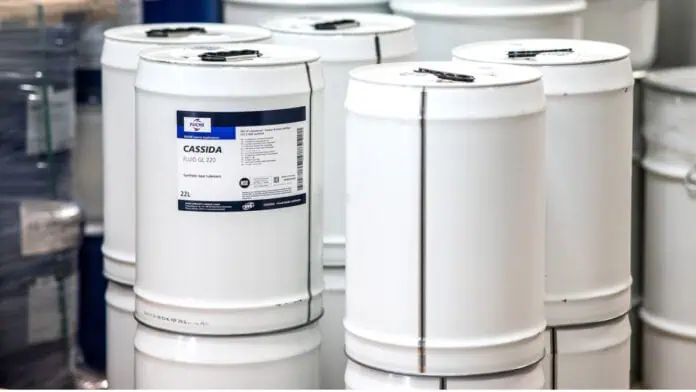
FUCHS LUBRICANTS SOUTH AFRICA, part of the world’s largest independent lubricant manufacturer, offers solutions specifically developed for the food and beverage sector. Its CASSIDA range of food-grade lubricants is NSF H1 registered, ISO 21469 certified, and designed to perform under the challenging conditions of South African plants.
But FUCHS goes beyond supplying products. The company provides:
- Expert guidance in selecting the right lubricant for each application.
- On-site training and audits to support safe handling and compliance.
- Comprehensive documentation to ease regulatory inspections and export certification.
This combination of global standards and local expertise helps South African producers protect their consumers, strengthen their export credentials, and keep production lines running smoothly.
A timely reminder
“Let’s remember that global food safety isn’t only about farming and packaging – it’s also about the invisible agents that keep machinery clean, hygienic and compliant,” says Ashleigh Pollen, National Sales Manager – Industrial and Speciality at FUCHS. “South African manufacturers who align with international food safety standards are achieving more than just compliance. They are helping to protect people, while strengthening trust, and securing access to global markets.” Pollen concludes.
By choosing trusted partners like FUCHS, producers can ensure that every bottle, carton, or package that leaves their facility is backed by both technical excellence and international compliance.