












Cape Town port deploys R4 billion infrastructure upgrade ahead of peak fruit export season
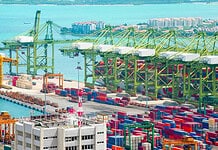
THE Port of Cape Town Container Terminal is rolling out key operational upgrades ahead of South Africa’s deciduous fruit export season, which begins in November and is expected to see a 3% increase in volumes through March 2026. Transport Minister Barbara Creecy visited the terminal to assess its readiness for the export period, which is vital to South Africa’s agricultural economy.
Transnet Port Terminals (TPT) has allocated R4 billion in capital expenditure across major terminals for 2025/2026, with Cape Town receiving 28 new rubber-tyred gantry cranes (RTGs) equipped with anti-sway technology and hybrid diesel-electric engines. Nine RTGs are already operating, another nine are completing commissioning, and the final 10 are being assembled. “These newer machines are more resistant to wind, which has been a challenge for us,” said Oscar Borchards, Western Cape Terminals managing executive. Last season, the terminal handled over 230,000 refrigerated containers, underscoring its critical role in global fruit supply chains.
The deciduous fruit industry employs thousands and contributes significantly to export earnings, with roughly 80% of exports routed through Cape Town to Europe, Asia, and the Middle East. Industry leaders have welcomed stronger collaboration with Transnet following previous seasons disrupted by rising costs, load shedding, and port delays.
To mitigate operational risks, the terminal has introduced windbound response protocols, staggered container stack dates, increased reefer plug points, and dedicated handling teams. Smaller vessels will be diverted to the Cape Town Multipurpose Terminal during peak congestion. Additional container vessel routes and specialised reefer ships may be used to ease pressure during the busiest months.
Port performance remains central to maintaining South Africa’s reputation as a reliable global supplier and supporting rural economies across the Western Cape.