







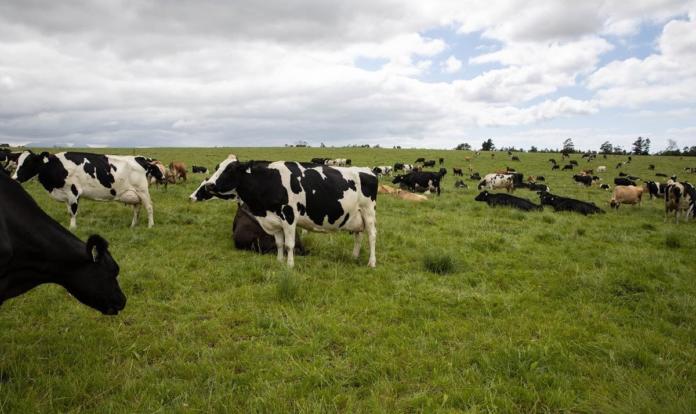
Nestlé has announced the launch of its Skimmelkrans Net Zero Carbon Emissions Project – a project set to create the company’s first carbon-neutral dairy farm, located in George, South Africa.
Nestlé has committed that by 2023, the farm will be carbon net zero.
“The Skimmelkrans project is a positive step in our sustainability journey. In the context of the global announced made by our CEO, Mark Schneider around redoubling efforts to combat climate change, we have committed to reaching a waste-free and zero net emission future within Nestlé by 2050, building on decades of work already done to reduce greenhouse gas emissions.
“The project will scale the quality production of our dairy products, therefore, enhancing our consumer experience,” stated Saint-Francis Tohlang, corporate communications and public affairs director at Nestlé East and Southern Africa Region (ESAR).
Building a more sustainable future
This project forms part of the company’s broader sustainability platform called RE, where the company has committed to Rethink, Reduce and Repurpose on its journey towards a more sustainable future. All three pillars come into play on the Skimmelkrans farm.
Net zero is achieved when emissions created by the farm are displaced by removing the same amount of emissions from the atmosphere. While there are many ways to create more sustainable operations for dairy farms, Skimmelkrans sets itself apart through the soil work, water conservation, feed management and manure processing, where some of the biggest reductions of greenhouse gases occur,” stated Hoven Meyer, agricultural services group manager at Nestlé East and Southern Africa Region (ESAR).
Cow manure produces methane: One of the most harmful greenhouse gases emitted into the environment from cattle and dairy farming. At Skimmelkrans, cow manure is collected while they graze and then goes into a press that separates the solids form the liquids. This ensures that there is no moisture left in the finished product: the solids are released back into the soil as compost, and the liquids go back into the pastures as irrigation, meaning that less methane is released into the air.
In April 2021, the soil will be tested, screened, and analysed by soil experts and the results will determine how much closer the farm is to the net zero carbon emissions goal.
Skimmelkrans operates in a biodiverse ecosystem: From releasing manure back into the soil to growing their own animal feed without having to buy large quantities from external feed suppliers, as well as conserving water. All these practices result in better care and nutrition for the cows on the farm, as well as better nutrition in the milk products produced, giving consumers a safe, environmentally friendly product.
“Producing quality milk is crucial to increase the nutritional value of our products without compromising on taste and health. This is particularly important as consumers prefer products with added nutritional benefits as part of their healthy and balanced lifestyles,” added Tohlang.