










Engineering the turnaround: How technical excellence and innovation will drive South Africa’s rail recovery
By Professors Pilate Moyo and Hannes Gräbe, Co-chairs, SAHHA Technical Committee
AS South Africa charts a definitive course toward economic renewal, the revitalisation of our national freight rail network stands as an absolute priority. The structural reforms underway, alongside a powerful spirit of collaboration between the government and the private sector, are reshaping the economic landscape. Private sector participation is no longer a pipe dream. It is happening and already yielding returns. Yet, while policy frameworks and strategic partnerships set the direction, the actual realisation of this recovery relies heavily on technical execution, world-class engineering, and technological innovation.
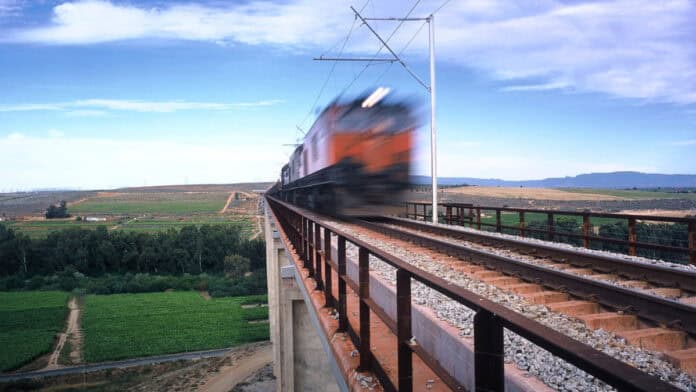
At the South African Heavy Haul Association (SAHHA), we view this pivotal moment through a highly practical, technical lens. Heavy haul operations are the backbone of South Africa’s freight logistics value chain. The Government has set an ambitious national target to move 250 million tons of freight by 2030, and heavy haul corridors are expected to carry 60% of that total volume. Meeting this target is not a matter of incremental adjustments. It requires a radical optimisation of our rail infrastructure, driven by technical innovation and engineering excellence.
It is against this backdrop that our upcoming conference from 17-19 November 2026, under the theme ‘Integrated Heavy Haul For Sustainable Growth’, will not only ensure we contribute as a sector but take us from dialogue to delivery. As SAHHA’s technical team, we have evaluated an impressive array of abstracts submitted by local and international industry experts. It is clear that the global heavy haul community is ready to provide the practical, field-tested answers South Africa needs right now.
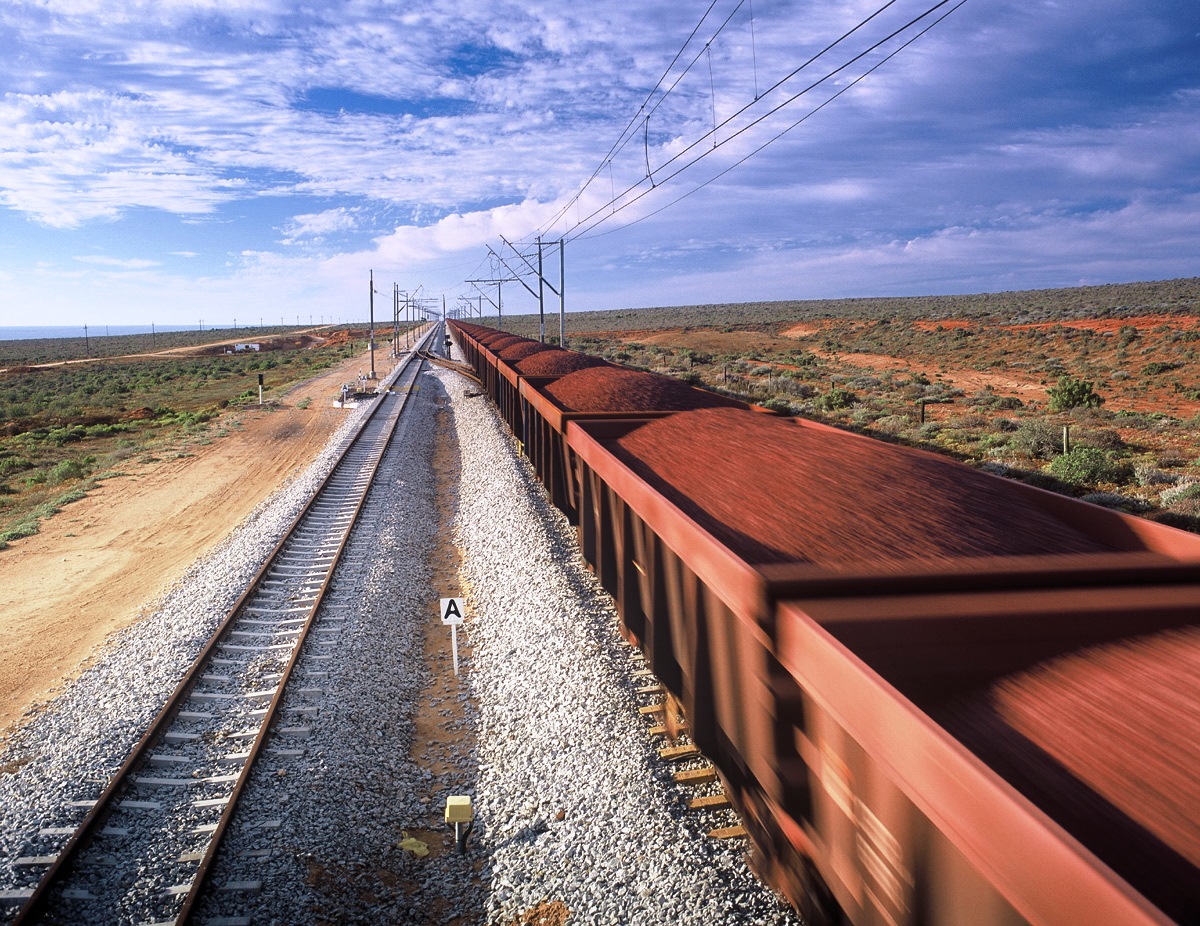
The conference topics tackle the most pressing, high-stakes realities facing our rail networks today, covering the critical pillars of modern rail operation, including:
- Rolling stock, manufacturing & vehicle-track interaction;
- Track & structural infrastructure;
- Electrical, signalling & telecommunications;
- Artificial intelligence & digitalisation;
- Operations, planning & capacity;
- Safety, security, sustainability & human factors.
We are not just discussing abstract theories. We are evaluating concrete engineering solutions, from advanced metallurgy to real-time data analytics, to optimise locomotive performance.
As South Africa’s rail sector undergoes a profound structural transformation driven by open access, private sector participation, and a multi-operator environment, the challenge moves from policy design to practical execution. SAHHA is directly addressing these operational bottlenecks by shifting the industry conversation from traditional knowledge sharing to collaborative, practitioner-led problem-solving.
Through focused technical streams probing the granular details of heavy haul performance, rolling stock and real-time compliance monitoring, SAHHA is providing the industry with the exact engineering and operational blueprints required to safely manage a complex, multi-operator network. Rather than debating the theory of reform, these technical contributions focus on immediate, actionable solutions, such as standardising incident investigations and optimising train design within existing infrastructure constraints, to ensure the network remains reliable and accountable.
Crucially, rail recovery cannot happen in isolation, making SAHHA’s focus on network-wide integration a vital catalyst for national logistics efficiency. By tackling the “pit-to-port” supply chain, SAHHA’s framework bridges the critical interfaces between mines, ports, and heavy-haul infrastructure to drive end-to-end corridor throughput. Through complex scenario planning that balances track maintenance windows with fair capacity slot execution under open access, SAHHA serves as a vital neutral platform where regulators, infrastructure managers, and competing operators can align their standards. These technical interventions offer a pragmatic, data-driven roadmap that translates high-level national rail policy into tangible, day-to-day operational realities, ultimately safeguarding the productivity of South Africa’s key economic corridors.
The momentum created by recent policy reforms and private sector participation frameworks has opened the door for deep operational modernisation. However, transforming these opportunities into actual tons moved, requires rigorous engineering discipline and advanced technology.
By bringing together the brightest minds in heavy haul engineering this November, SAHHA is proud to anchor South Africa’s rail recovery journey in technical excellence. The solutions showcased here will provide the blueprint for stabilising our network, exceeding our 2030 targets, and building an integrated, sustainable logistics foundation capable of driving robust economic growth for decades to come.