










Private rail, port upgrades top agenda as Creecy outlines logistics reform plan
By Adrian Ephraim
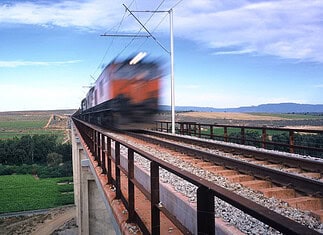
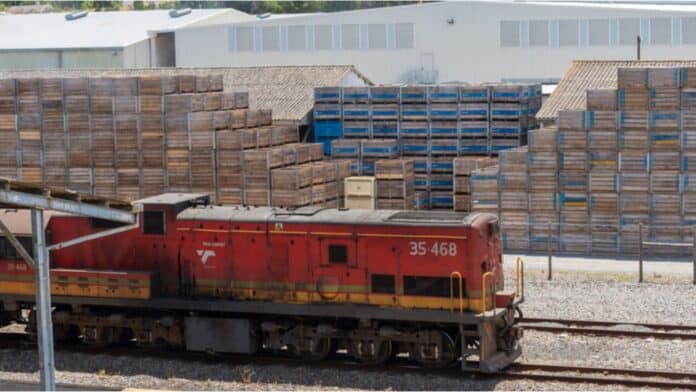
South Africa’s freight logistics system is undergoing its most significant structural overhaul in decades, with private rail operators expected to begin running on the Transnet network from April next year and the Port of Cape Town set to expand its container terminal capacity by 40%.
Transport Minister Barbara Creecy delivered the update during a keynote address to Exporters Western Cape in Cape Town this week, telling an audience of exporters, logistics operators, and industry stakeholders that the country could no longer afford to treat its infrastructure as a given.
Once upon a time, South Africa’s ports and rail system were the only options available to exporters. Today we have competitors, whether it is Maputo, Walvis Bay, or many other ports to the north of us. Complacency is not going to assist us in this context,” she said.
Creecy said government had made measurable progress since adopting the National Freight Logistics Roadmap in 2023, including the publication of Transnet’s first network statement, the establishment of a Transnet Infrastructure Manager to oversee third-party access, and the creation of the Transport Economic Regulator. She said she was hoping the president would promulgate the necessary regulations to allow a CEO appointment to proceed.
On rail, the minister said the long-term target was to move 250 million tonnes of freight annually on the Transnet network. The system is expected to handle around 168 million tonnes this year.
At the Port of Cape Town, she highlighted plans to increase container terminal capacity from one million TEUs to 1.4 million TEUs, alongside the introduction of remotely operated ship-to-shore cranes and rubber-tyred gantries. Separately, the government is pursuing the establishment of Transnet National Ports Authority as a standalone state-owned entity, which Creecy said would allow port revenues to be reinvested directly into infrastructure.
Exporters Western Cape chairman Terry Gale said the event gave members a rare opportunity to engage directly with policy in the making.
“Reliable and efficient logistics are critical to growing exports and strengthening South Africa’s position in global markets,” said Gale.
Creecy acknowledged that the sector was still recovering from the compounding effects of the Covid-19 pandemic and said a cultural shift within the entities responsible for managing the country’s infrastructure was as important as any capital programme.
“One of the key issues in any reform process is the issue of attitude. Over the past two years we have worked to move from a bureaucratic mindset to one that asks how we can better assist our customers,” she said.