









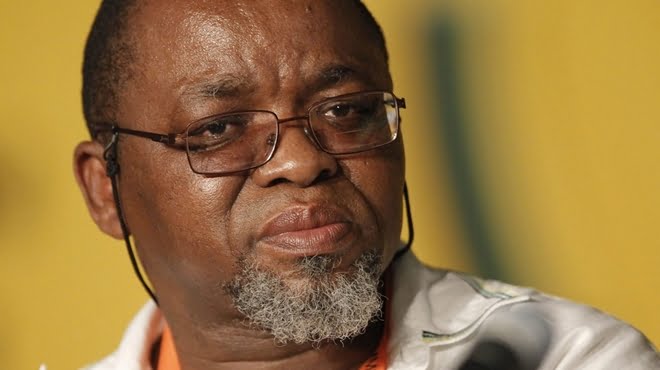
Mineral Resources and Energy Minister Gwede Mantashe says the Northern Cape is expected to play a big role in South Africa’s mining and energy corridor of the future.
He was speaking at the 2nd Northern Cape Mining and Energy Investment Conference held in Kimberley.
“We note the observation made by the EU that without the realisation of Africa’s potential in minerals, there can be no green economic future.
“The green economy is heavily dependent on the mineral potential of South Africa and several of these critical minerals occur and have been discovered in [the Northern Cape]. Therefore, the voice of this province in what we do with those minerals is going to be critical in the future.
“Some rare earth mineral bearing rocks which have been identified…symbolise the revitalisation of the Northern Cape mining corridor. 80% of rare earth minerals discovered in Namibia are on our side. I am appealing to investors, please go and do exploration….it is going to be worth investing in exploration in the Northern Cape,” he said.
The Minister added that R500 million has been set aside by the Council for Geoscience for supporting emerging companies that want to do mining exploration.
He acknowledged that a lack of grid capacity and transmission lines in the Northern Cape is hampering the economic growth of the province.
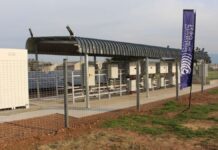
“Over the past five years of the investment drive led by President Cyril Ramaphosa, well over R90 billion in investments have been pledged in the mining and energy sector in the Northern Cape alone. Some of these investment have translated into actual projects which are under construction with some completed and connected to the grid, thus supporting both mining activities and the economy.
“However, a notable challenge to further investment in the energy sector is the unavailability of grid capacity in the province. That is a big problem and the coastal areas are receiving priority from the government. We will be investing into a brilliant future for this province in particular,” he said.
The Minister emphasised that overcoming the challenges faced by Transnet in logistics is also critical for GDP growth.
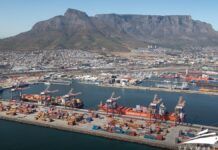
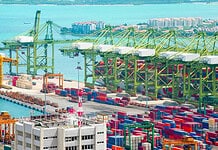
“The low contribution of mining [to GDP growth] is mainly attributed to two factors, mainly logistics in rail and port infrastructure inefficiencies. Particularly, the Northern Cape will be affected by this because it exports bulk minerals. These logistics impact directly on the Northern Cape.
“We are further encouraged by the efforts made by the mining sector with Transnet to improve constraints in rail and port infrastructure. We believe that resolving these constraints will enable transportation of bulk commodities to the ports thus improving our exports and the Northern Cape’s contribution to the GDP,” he said. – SAnews.gov.za