







Cape Town businesses face waste changes as organic landfill deadline nears
By Kris van der Bijl
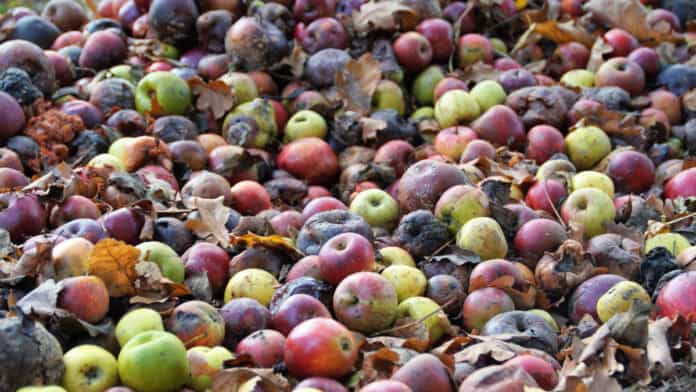
HOTELS, restaurants, retailers and food processors in Cape Town face a new waste-management cost as the Western Cape moves to keep organic waste out of landfill.
The City’s 2026/27 waste budget prioritises collection, transfer, landfill and waste-minimisation infrastructure. The budget documents do not identify a new municipal commercial food-waste processing facility.
This leaves us with a question for the city: where will their organic waste go?
So far, the province has kept a target of 100% organic waste diversion from landfill by 2027. Its latest performance report says the target remains in place, while the province is assessing Organic Waste Diversion Plans from municipalities.
Enforcing organic waste compliance
The Western Cape’s organic-waste requirements arise from a combination of national waste legislation, provincial policy, waste-management licence conditions and municipal by-laws.
The City of Cape Town requires large organic-waste generators, including hotels, restaurants, retailers and food processors, to submit an Integrated Waste Management Plan (IWMP) showing how they will divert 50% of organics immediately and 100% by 2027.
It requires them to include and address waste quantities, storage, collection, transport, separation and recovery, and specifically to include a strategy to reduce organic waste sent to landfill.
The City’s spending leaves a capacity question
The City has allocated R488 million to waste-management equipment and infrastructure for 2026/27.
It is also spending R1.2 billion over three years on refuse-removal vehicles and plants.
The programme includes R203 million for extra airspace at Vissershok landfill, R135 million for a new refuse transfer station at Coastal Park and R123 million for landfill-gas infrastructure.
The listed 2026/27 investments focus largely on collection, transfer, landfill and waste-minimisation infrastructure rather than a new dedicated commercial food-waste processing plant.
This despite food waste often accounting for up to a third of organic waste dumped on landfill sites.
The budget documents also do not identify new municipal capacity dedicated to processing commercial food waste into compost, biogas or other products.
Budget alignment, but where is the plan
The 2026/27 budget is already in effect. The provincial deadline is less than a year away.
For a large food business, setting up separation, finding a processor and changing collection contracts takes time.
But smaller businesses are equally hit. Such businesses, often lacking the funds and capacity of their larger counterparts, are not exempt from dealing with this new deadline.
The risk is therefore that businesses will be competing for limited processing capacity while landfill acceptance becomes more restrictive, all while the City officials and private companies scamper to conform to the new restrictions.
CBN asked Mayoral Committee Member for Urban Waste Management, Alderman Grant Twigg, whether the City’s existing organic waste processing capacity is sufficient to meet its share of the Western Cape’s 2027 organic waste diversion target, and where additional processing capacity will come from should current infrastructure prove insufficient.
At the time of publication, CBN had not received a response to these questions. Clarity on the City’s capacity and implementation plans will be important for businesses preparing for the 2027 deadline, particularly smaller operators that may have fewer resources to adapt their waste management and collection arrangements.