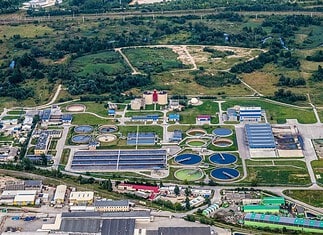








OPERATING an environmentally responsible and legally compliant waste management facility means ensuring all regulatory frameworks are followed and safety mechanisms are in place.
EnviroServ, a SUEZ company, has more than 45 years of experience managing both simple and complex waste streams across a broad range of industries and in the past decade has helped clients divert waste from landfill through creative and often ingenious alternative solutions. Adhering to safety protocols and legislative requirements helps manage the environmental impact of waste management facilities and ensures the protection of public health and safety.
Key regulations governing waste management in South Africa
Landfills in South Africa are governed by the National Environmental Management: Waste Act 59 of 2008 which provides a legislative framework that promotes sustainable waste management practices, reduces waste generation, and protects both the environment and human health from the adverse effects of waste. EnviroServ conducts its business in line with NEM:WA’s waste management hierarchy, which advocates waste prevention, minimisation, reuse, and recycling, with treatment and safe disposal as a last resort.
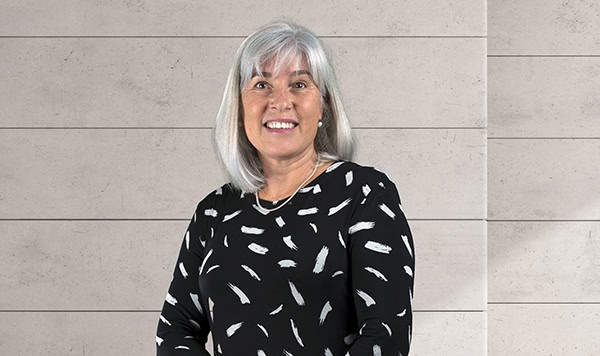
Esme Gombault, EnviroServ’s technical director, said the company’s dedicated compliance team together with other internal stakeholders ensured all licences and permits were in place and that regulatory conditions were strictly adhered to.
“Monitoring is conducted and reporting takes place as required. We also assess compliance through various internal, external, and third-party audits. Our integrated quality management system and our ISO 14001 certification give our customers peace of mind that proper systems are in place to ensure continual improvement,” she said.
“For the protection of our water resources, a Water Use Licence may also be required in line with Section 21 of the National Water Act.”
Waste management facilities have air quality monitoring stations positioned around each site to monitor fugitive emissions and ensure that health risks are curbed.
Following the waste hierarchy
The world is generating more and more waste every year, and along with this, so has the amount of waste by manufacturers increased as consumer shopping habits and technology change.
The World Bank estimates that waste generation will increase from 2,01-billion tons in 2016 to 3,40-billion tons in 2025, with at least 33% not managed in an environmentally safe manner.
Separation of waste at source is a trend that has grown exponentially in South Africa in the past decade.
“Encouraging our customers to buy into the idea of waste stream separation has entailed a mindset change; businesses in the early 2000s didn’t care much about where their waste went, as long as it was safely disposed of. Our onsite division had to work hard to sell the idea of waste minimisation and reduction,” Gombault said.