












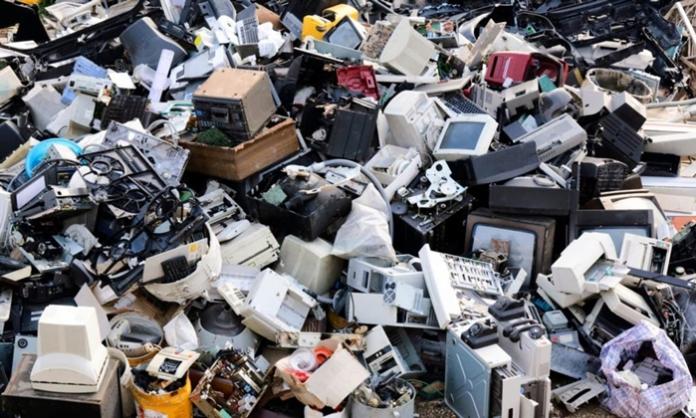
THE widely accepted international definition of e-waste is “anything that runs on electricity”. Therefore, e-waste (electronic & electrical waste) includes computers, entertainment electronics, mobile phones, household appliances and less obvious items such as spent fluorescent tubes, batteries and battery-operated toys that have been discarded by their original users. While there is no generally accepted definition of e-waste, in most cases e-waste consists of expensive and more or less durable products used for data processing, telecommunications or entertainment in private households and businesses.
E-waste is both valuable as a source for secondary raw material, and toxic if handled and discarded improperly. Rapid technology change, low initial cost and even planned obsolescence have resulted in a fast-growing problem of stock-piled and mismanaged around the globe. Technical solutions are available but in most cases, a legal framework, a finance model (ideally based on the polluter pays principle) a collection system, logistics and other services need to be implemented before a technical solution can be applied.
Due to lower environmental standards and working conditions in China and India, e-waste is being sent to these countries for processing – in most cases illegally (see www.ban.org). Bangalore in India and the Guiyu area in the Chaozhou region of China have e-waste processing areas. Uncontrolled burning and disposal are causing environmental problems due to the methods of processing the waste. Trans-boundary trade in e-waste between countries is controlled by the Basel Convention.
E-waste is of concern largely due to the toxicity of some of the substances if processed improperly. The toxicity is due in part to lead, mercury, cadmium and a number of other substances. A typical computer monitor may contain more than 6% lead by weight. Up to thirty-six separate chemical elements are incorporated into e-waste items. It presents difficulties for recycling due to the complexity of each item and lack of viable recycling systems. Many of the plastics used in electronic equipment contain flame retardants. These are generally halogens added to the plastic resin, making the plastics difficult to recycle.