












Glass recycling packaging: A powerful driver of South Africa’s circular economy
By The Glass Recycling Company CEO Shabeer Jhetam
AS South Africa works towards a more sustainable future, the conversation around packaging is rapidly evolving. Businesses are under increasing pressure to reduce waste, improve recyclability, and demonstrate measurable environmental action. At the centre of this shift is the circular economy, a system designed to keep materials in use for as long as possible through collection and recycling.
Within this ecosystem, glass packaging continues to stand out as one of the country’s strongest circular economy success stories. Glass is 100% recyclable and can be recycled endlessly without any loss in quality or purity. A glass bottle recycled today will become another bottle tomorrow, reducing the need for virgin raw materials and helping divert waste away from already overburdened landfill sites.
However, the impact of glass recycling extends far beyond environmental benefits alone. It is also an important economic enabler. South Africa’s recycling value chain supports thousands of livelihoods, from collectors and transporters to entrepreneurs, buy-back centres, and manufacturing operations.
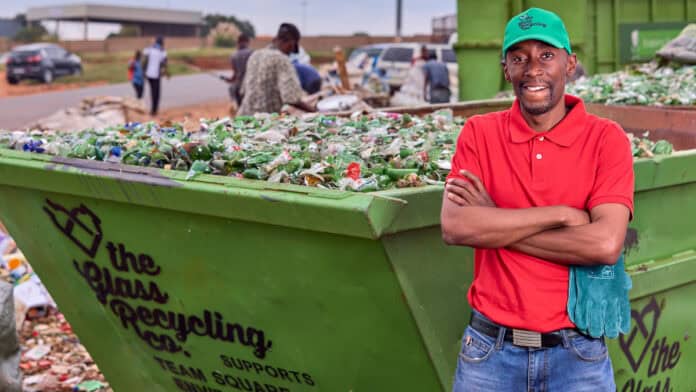
According to TGRC’s latest research, South Africa’s glass recycling sector provides approximately 50 000 people with income-generating opportunities, many within vulnerable communities where access to formal employment remains limited.
Therefore, glass recycling should not only be viewed as a sustainability initiative, but as part of a broader economic opportunity for South Africa.
TGRC, together with its members and partners, continues to play a key role in strengthening the country’s glass collection ecosystem. Through continued investment in glass recycling initiatives, infrastructure support, and industry collaboration, the organisation ensures that more glass is recovered and returned to the manufacturing process.
Industry support remains critical to maintaining and growing South Africa’s circular economy. TGRC members, including glass manufacturers Ardagh Glass Packaging and Isanti Glass, play a vital role by purchasing used glass, creating the demand that keeps the recycling system functioning and enabling collected glass to be transformed into new bottles and jars. In addition, TGRC’s members, which include leading players across the beverage and food sector, contribute through the payment of EPR fees towards building the systems that enable glass to be collected and recycled. Their ongoing commitment helps create a more sustainable packaging landscape while supporting income generation opportunities and economic activity across the recycling value chain.
This level of industry commitment is becoming increasingly important as businesses face growing pressure to demonstrate measurable sustainable behaviour.
Consumers are paying closer attention to the environmental impact of products they buy, while regulatory frameworks such as Extended Producer Responsibility (EPR) are driving greater accountability across industries. Businesses that actively invest in circular systems today are likely to be better positioned for the future.
For producers, retailers, hospitality businesses, and brand owners, packaging choices are becoming increasingly strategic. Glass packaging offers businesses an opportunity to align product quality with sustainability commitments in a visible and credible way.
Businesses in the hospitality sector in particular, have an opportunity to influence recycling behaviour at scale. Restaurants, bars, hotels, and eventing venues generate large volumes of glass packaging waste daily.
With the right recycling support and collection systems in place through TGRC, these businesses can play a meaningful role in improving collection rates while strengthening their own sustainability
https://theglassrecyclingcompany.co.za/