











Plastics SA calls for balanced global plastics treaty
PLASTICS SA, the umbrella body for South Africa’s plastics industry, has expressed concern over the failure of governments to reach agreement at the Intergovernmental Negotiating Committee (INC-5.2) session in Geneva, Switzerland. The meeting, aimed at securing a legally binding global treaty on plastic pollution, ended without consensus.
Despite days of consultations and last-minute revisions, deep divisions over scope, financing, sustainable production, and design requirements stalled progress. The Chair adjourned proceedings without a clear way forward.
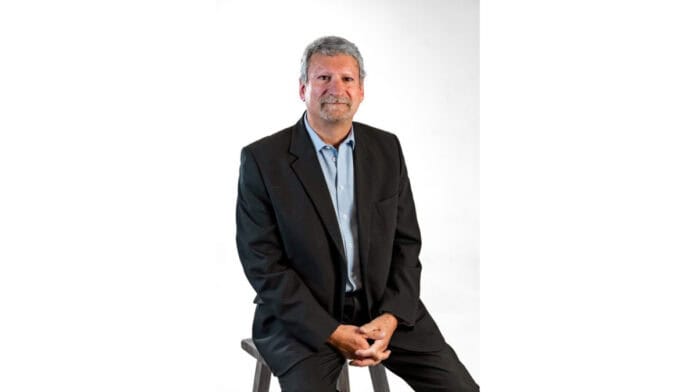
Anton Hanekom, Executive Director of Plastics SA, who attended as an observer, said compromise proved elusive. “While differences remain, particularly on regulating specific products or chemicals, there were signs of flexibility. Although INC-5.2 ended without consensus, the process highlighted both challenges and opportunities.”
Call for practical, balanced solutions
Plastics SA reiterated its support for coalitions such as the Global Partners for Plastics Circularity (GPPC), emphasising the need for practical, implementable solutions.
“A workable treaty must balance environmental goals with economic realities and respect the needs of developing countries,” Hanekom said. “South Africa supports approaches that incentivise sustainable design, promote recycling investment, and expand waste management to the billions without access. The plastics industry is already investing heavily to keep plastics in the economy and out of the environment.”
South Africa entered the talks committed to advancing both domestic and international efforts. During the negotiations, Environment Minister Dr Dion George met with industry, civil society, and business stakeholders to strengthen national partnerships on the circular economy.
“Our industry remains united in opposing the inclusion of chemicals within the plastics treaty framework, advocating instead for clear, risk-based assessments,” Hanekom added. “The priority is practical solutions that advance circularity without undermining progress already underway.”
Local progress in recycling and circularity
Hanekom highlighted significant strides at home. South Africa has implemented Extended Producer Responsibility (EPR) regulations, holding producers accountable for the lifecycle of their products.
“Our EPR system is driving investment in recycling infrastructure, encouraging product design innovation, and strengthening collaboration across the value chain,” he said. Projects include packaging reuse, improved sorting, training waste pickers, and river catchment clean-ups.
The results are measurable: in 2024, recyclate use rose by 67% over the past decade. Per capita plastic consumption remains stable at 27 kg—well below the global average. Despite 39% of the population lacking formal waste collection, South Africa recycled and reused 458,000 tons of plastic waste last year, achieving an output rate of 28.4%—more than double the global average.
“These measures show that we are not waiting for a global treaty to take action,” Hanekom said.
Momentum will continue despite Geneva’s setback. South Africa will host the G20 Environment and Climate Sustainability Ministerial in Cape Town in October 2025, with plastics, waste, and chemicals high on the agenda.
“The world cannot afford failure,” Hanekom concluded. “A global plastics treaty remains the best opportunity to coordinate action, accelerate the circular economy, and protect the environment for future generations. Plastics SA stands ready to contribute expertise and innovation to ensure negotiations succeed.”