











Waste data is becoming the next greatest test of ESG credibility
Many stakeholders now expect waste data to be reported with the same rigour as financial information. With a shifting environmental, social and governance (ESG) landscape, waste has become not only a compliance concern, but also a strategic ESG factor investors and financial institutions are taking a closer look at. Detailed sustainability reporting has long been routine for large corporates and JSE-listed companies. Now that same expectation is reaching smaller businesses.
What is on the horizon
Lawrence Nundkissor, National Compliance Manager at Oricol Environmental Services, has watched these expectations climb in recent years.
“While sustainability policies can carry good intentions, investors will look straight into your data,” says Nundkissor. “They want robust waste data, they want stronger disclosure, and they want real traceability. Where did the waste go? Was it diverted, or is resource circularity actually practiced in the company?
Along with ESG reporting, enforcement of waste legislation and permitting conditions is getting notably tighter, waste reporting and carbon reporting are starting to merge, and government and the private sector are finally starting to pull in the same direction. If you are not ready for that, you will feel the pressure as compliance and reputation risks increase.”
Waste data integrity is key
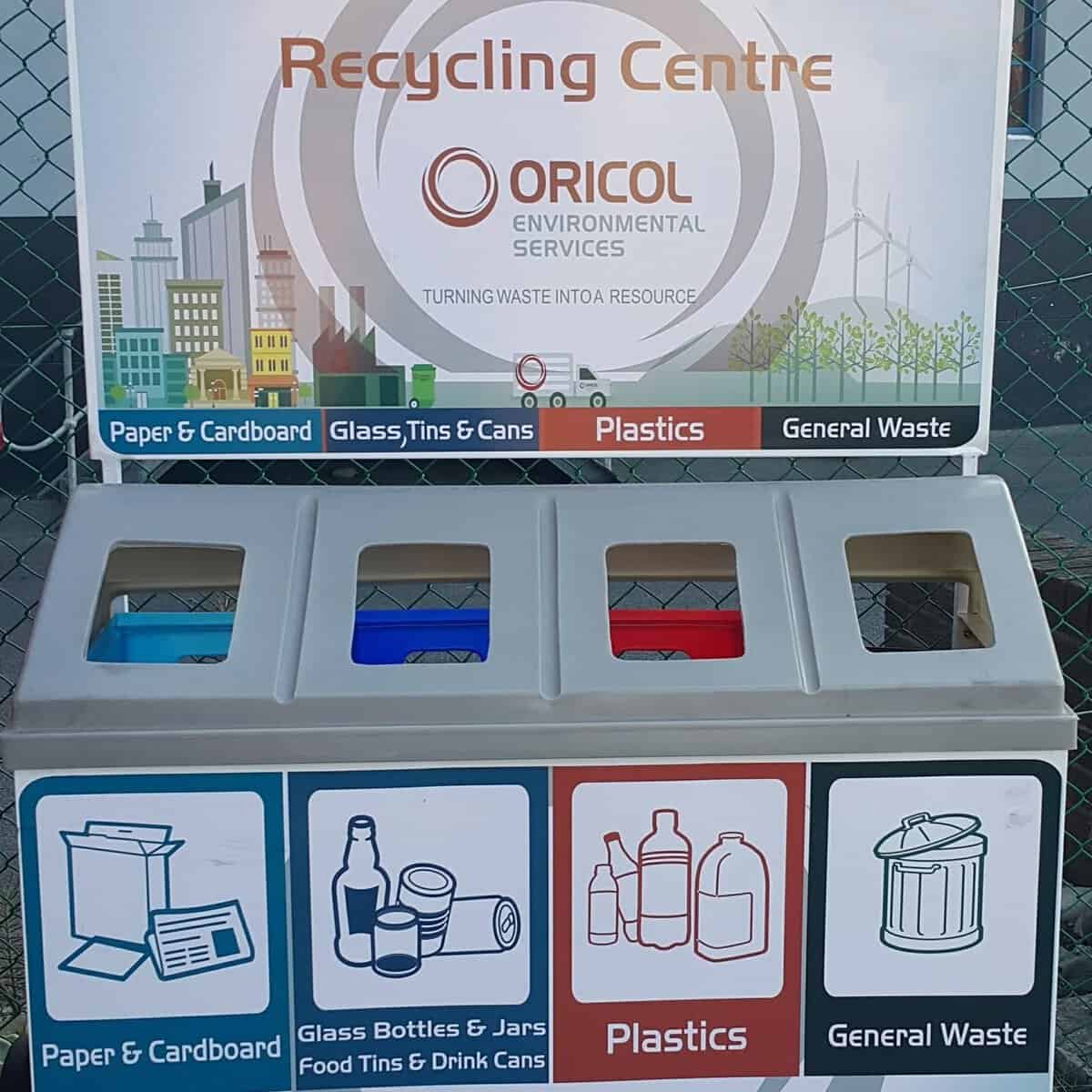
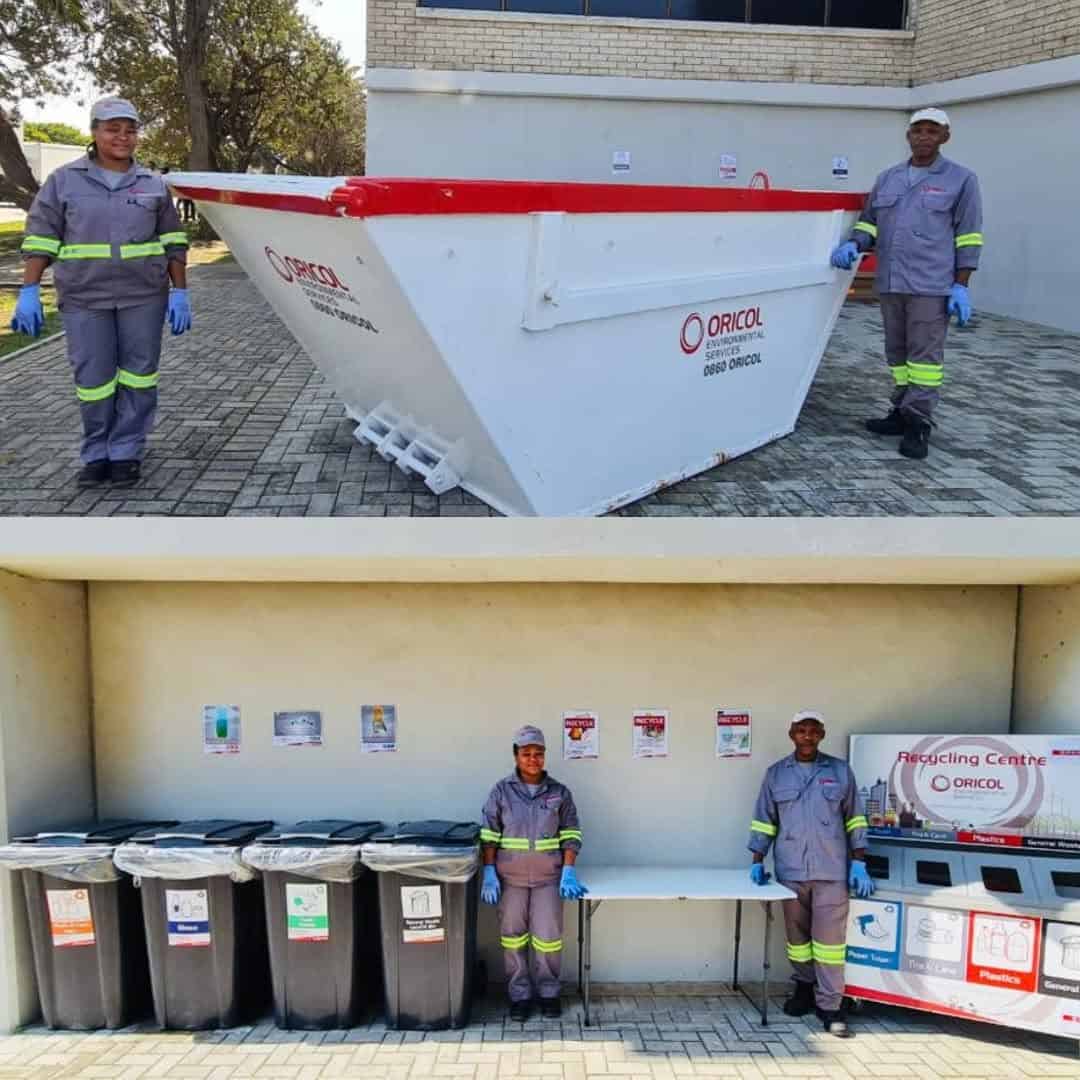
The tyre hits the road in evidence. Many companies produce very attractive, well written sustainability reports. The real question is whether they can back the claims up at any given time. “Oricol’s integrated management system gives clients complete traceability Every month, our clients receive a comprehensive portfolio of documented proof, including waste manifests, collection records, weighbridge tickets, and recycling certificates, providing full traceability and verification of waste destinations. This ensures they have the supporting evidence required for compliance, auditing, and reporting purposes. We also provide detailed waste volume data relating to landfill diversion, together with verified environmental performance information that can be used by clients to support their carbon accounting, sustainability reporting, and ESG disclosure requirements,” adds Nundkissor.
What waste data goes into a good sustainability report
A credible waste section is built on a few non-negotiables according to ESG requirements: volumes by waste stream, the verified destination of each stream, diversion rates and backed by records attached to that waste.
Waste and carbon cannot be separated. Organic waste sent to landfill generates methane, meaning every tonne diverted has a direct impact on an organisation’s emissions profile. This is why accurate waste data has become a key foundation for credible carbon accounting and sustainability reporting.
The biggest gaps in attaining accurate waste data
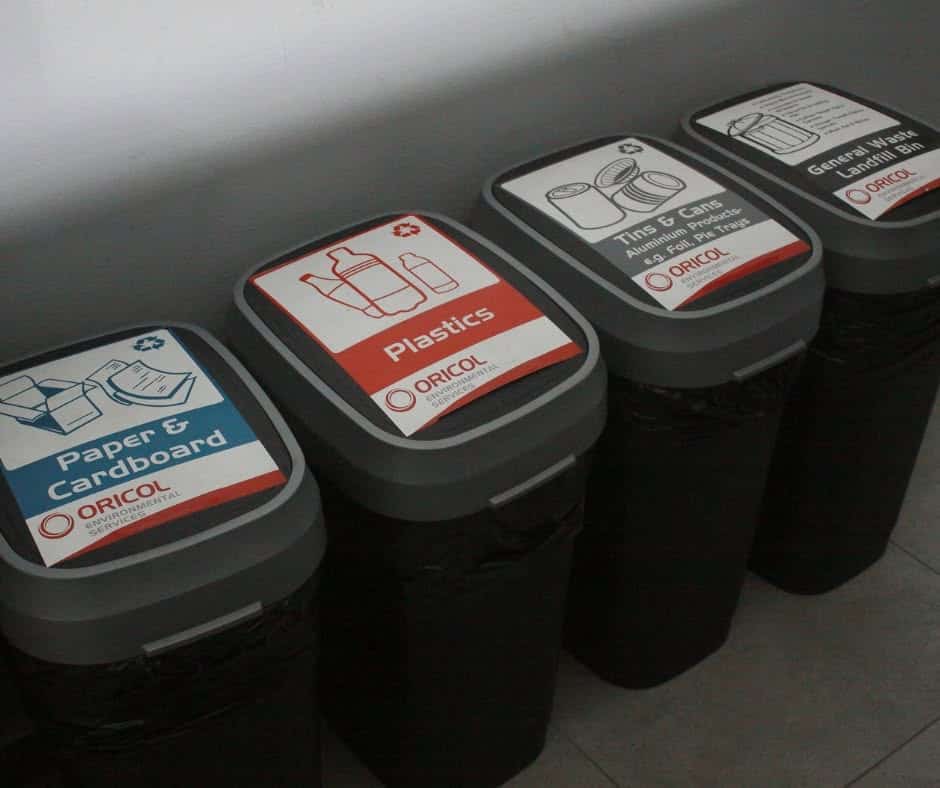
“The challenges are seldom about willingness; they are usually practical. Waste is often mixed and commingled, making it difficult to accurately measure, track, and manage. Responsibility for waste data is frequently unclear, with no single owner within the business. Many organisations still rely on spreadsheets rather than modern data management systems, while multiple service providers each report differently, resulting in fragmented information and no single, reliable view of waste performance,” says Nundkissor.
“You would never sign off on company financials kept on a loose spreadsheet with no audit trail. Waste data is heading to exactly that standard.”
Good waste data creates value well beyond compliance
The companies that treat waste data as management information, rather than a reporting requirement, start seeing things they could never see before. “You spot the waste streams that are costing you money, the processes that are generating waste you do not need to generate, the contracts that are not delivering. That is real operational insight, and it goes straight to the bottom line,” says Nundkissor.
Clean, verifiable data gives investors a reason to trust the rest of a company’s ESG story, because numbers that hold up under scrutiny signal a business that is genuinely in control of its operations. The same data is becoming a deciding factor in competitive tenders, as more buyers and large corporates now ask suppliers to prove their environmental performance before awarding contracts.
“Your waste data is part of your reputation now,” Nundkissor says. “The companies that understand this are not reporting on waste because someone is forcing them to. They are doing it because they have realised there is real value in it and the impact without it, and they would rather capture that value than leave it on the table.”
Get moving early
“Accurate waste data starts with culture,” he says. “Give it a clear owner, record it consistently, and work with waste management partners you can trust. The companies doing that today will be ready as the rules tighten. The ones who wait will be playing catch-up, and it will cost them more.”
For more information, please visit: https://www.oricoles.co.za/