












Battery performance critical to cold chain and airport productivity
AIRPORTS and cold chain operations are built around continuous uptime, with battery-powered equipment playing a critical role in maintaining productivity.
From refrigerated warehouses and distribution centres to food retail and pharmaceutical logistics, every minute of operational disruption can translate into product spoilage, missed delivery deadlines and increased costs.
Airports, too, require continuous equipment uptime. Even a failure in critical systems such as baggage handling can lead to delayed flights, frustrated customers and, ultimately, revenue losses amounting to billions globally.
Alexander Campbell, Area Sales Consultant at Industrial Power, a division of CFAO Equipment, says one of the key operational disruptions faced in cold chain and airport productivity is battery downtime.
“Forklifts, pallet movers and other electric material-handling equipment are critical to modern cold chain logistics, as are baggage handling tow tractors and electric pallet jacks to airports. This means poor charging disciplines, ageing batteries and limited visibility into battery performance can result in operational bottlenecks that directly impact efficiency and, for cold chain environments, product integrity.”
One of the greatest challenges that operators face is unplanned downtime caused by inefficient charging practices. Traditional charging approaches often result in equipment standing idle for extended periods, especially during peak operating windows.
To counter this, fast charging and opportunity charging technologies are helping businesses overcome this challenge by allowing batteries to recharge during short breaks or shift changes, reducing interruptions and improving equipment availability throughout the day.
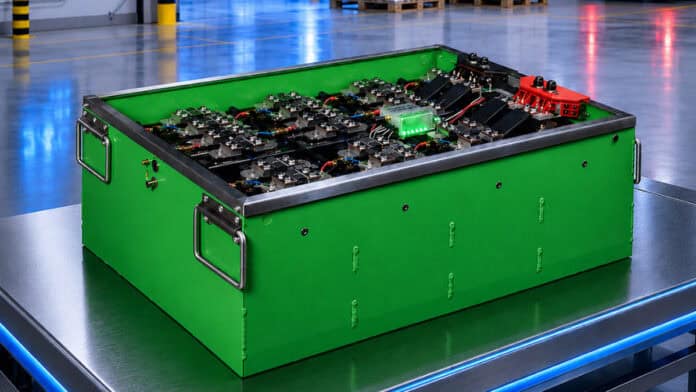
Campbell says lithium-ion technology, in particular, is transforming uptime performance in high-demand environments. “These batteries support rapid charging, maintain consistent power output and eliminate the need for battery swapping in many applications. For cold chain or airport operations requiring continuous throughput, this can significantly improve productivity while simplifying battery management.”That said, lead-acid batteries continue to offer an affordable and reliable solution for less intensive duty cycles. “It is, however, important to select the correct battery technology for the operational requirement rather than adopting a one-size-fits-all approach,” he notes.
Battery visibility is another growing concern in cold chain and airport environments. Many businesses rely on reactive maintenance, only addressing issues once a battery fails or equipment performance declines.
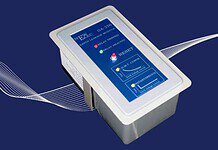
Notably, modern battery monitoring systems built into lithium-ion batteries or easily retrofittable onto lead acid equivalents now provide real-time insights into battery condition, charging behaviour and operational health. Automated alerts visible on a dashboard or sent via email can identify overheating, undercharging, overcharging or declining performance risks before these issues lead to equipment failure or safety incidents.
“This proactive approach not only reduces risk and improves uptime but also enhances workplace safety and extends useable battery life,” adds Campbell. Smart charging technologies are also helping operators reduce energy consumption and stabilise electricity demand. Intelligent charging systems optimise charging cycles based on battery condition and operational requirements, reducing unnecessary energy use while preventing premature battery degradation. In regions where grid reliability and electricity costs are under pressure, this can deliver meaningful operational savings.
Notably, lithium-ion batteries and chargers are more energy efficient and result in better carbon neutral scores while lead acid batteries constantly emit hydrogen gas, particularly during charging. This poses a risk of sulfuric acid contamination which is pertinent for equipment that is operated indoors.
Reducing maintenance requirements is another important consideration. Lithium-ion batteries generally require less maintenance compared to their lead-acid counterparts, with advanced monitoring tools reducing the need for manual inspections and emergency repairs. With fewer maintenance interventions needed, operating costs and disruptions to critical cold chain and airport activities are reduced.
“As cold chain and airport operations continue evolving, the often-overlooked matter of battery performance will play an increasingly important role in determining productivity, efficiency and operational resilience,” concludes Campbell.
Learn more at https://www.cfaoequipment.co.za/industrial-power/