











RESTAURANTS and other small businesses have several options to reduce the amount of organic waste, and associated greenhouse emissions, they produce from reaching landfills.
In August 2022, the City of Cape Town’s Urban Waste Management Directorate issued a directive to all businesses generating organic waste to share their plans for reducing the amount of organic waste that is sent to landfills. While major generators of food waste are generally responding to this call, there is a noticeable scarcity of submissions from smaller restaurants, hotels, food processing facilities and similar businesses.
The City of Cape Town (CoCT) is urging these smaller businesses to ensure that they submit their waste management plans as shown below, to be compliant with its IWM By-law and avoid possible fines. All businesses are required to have a waste management plan detailing how much waste is produced on their various premises, what kind of waste is produced, and how this is being minimised. In light of the August directive, plans should specifically detail how organic waste will be reduced by 50% immediately, and by 100% before the end of 2027.
Although this may seem like a daunting task at first, the submissions the CoCT has received from bigger businesses to date show that there is a variety of options available for reducing organic waste that can be easily implemented on a smaller scale.
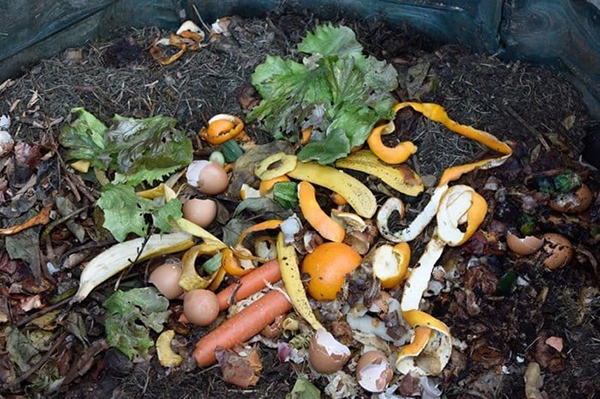
In addition, there are numerous emerging industries utilising organic waste, and gaining momentum as more and more businesses seek out organic waste solutions. This waste can be turned into compost for agriculture/gardening, reprocessed into industrial products, or turned into animal feed. This is a growing sector and there should be no shortage of options for small restaurants/hotels etc. to partner with. Many of these options are either included in the City’s waste recyclers’ map, or can be found via a simple Google search for keywords such as “organic waste recycling in South Africa”. Alternatively, the CoCT recommends that businesses should contact the following non-profit industry associations or organisations that have lists of their members offering the different processing solutions for organic waste.
Green Cape’s Waste: Market Intelligence report 2021 gives great insight into the 2021 organic waste management status in Cape Town. Organic waste generators can also join the Western Cape Industrial Symbiosis Programme (WISP), to potentially exchange their organics with industry or commercial partners who can use the material.
The reduction of organic waste is an important intervention against global warming. When organic waste decomposes in a landfill, it creates landfill gas. Made up primarily of methane, this gas has a global warming potential that is much greater than carbon dioxide. As a society, we all need to do what we can to reduce all emissions, and this is one area we can have a big impact with only minor changes in our habits.
Online submission of Waste Management Plans
To submit a waste management plan, go to http://web1.capetown.gov.za/web1/swma/Account/Login?ReturnUrl=%2Fweb1%2Fswma%2F
Application forms are available on the https://www.capetown.gov.za/City-Connect/Register/Business-and-trade/Register-as-an-accredited-waste-services-provider
Submit written requests to: waste.accreditation@capetown.gov.za
For original article visit: https://www.bizcommunity.com/Article/196/703/236097.html#