










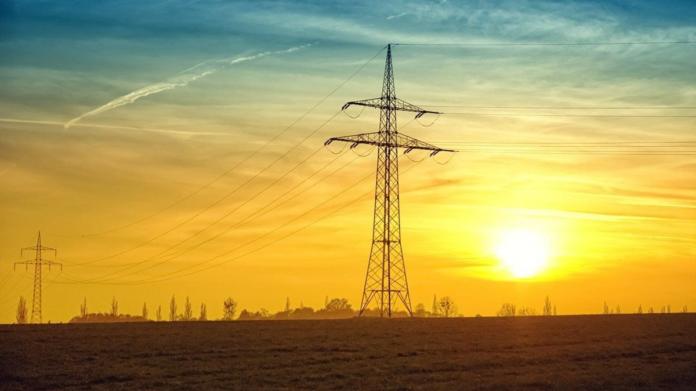
The ever-increasing electricity price threatens the sustainability of affordable food production. This was the warning Free State Agriculture (FSA) gave the National Energy Regulator of South Africa (Nersa).
Dr Jack Armour, operations manager of FSA, addressed Nersa over Eskom’s proposed plans to further increase the electricity price. According to Armour, it is unacceptable that consumers must pay the price for the bad management decisions of state-owned enterprises and municipalities’ payment delinquency.
“Eskom’s application to increase prices is an attempt to cover losses from previous years. Eskom overestimated energy demand and overproduced, which is why they are now confronted with the financial ramifications. Instead of bleeding the consumer dry, Eskom and Nersa should force local governments to pay their outstanding electricity accounts,” Armour said.
FSA opposes the proposed price increases. Electricity is a major input cost component of intensive food production. Intensive food production systems contribute to over 30% of South Africa’s food production. Irrigation farming, poultry, piggeries, dairies, tunnel production and intensive fruit and vegetable production all have significant electricity cost components associated with production.
Pricing structure strains agri productivity
As it stands, farmers are faced with a pricing structure that strains agricultural productivity. For example, if an average Free State farmer has one electricity point at his house, one at his workers’ houses and one at a borehole for household, staff and stock watering he pays R6,000 in fixed Eskom costs before even using any electricity.
Farmers normally absorb input cost increases that result in tighter margins. Because they are price takers, they will absorb the increased energy costs, which threatens sustainable and affordable food production.
Eskom’s failure to deliver reliable energy supply has changed consumer behaviour. A tipping point has already been reached whereby alternative energy is more economical. Should the electricity generation market thus be opened, farmers and consumers would be able to obtain electricity at lower prices. This would secure the sustainability and expansion of food production in South Africa.
Nersa has requested that FSA provide information from its members, regarding the use, benefits and cost of alternative energy.