










South African consumers have experienced what seems like a fuel hike outbreak this year. Fuel in SA costs a staggering R14.05 per litre (95 octane).
Take a look at why other countries are paying much less for fuel compared to SA:
The current fuel hike has been attributed to the rise in crude prices, the landed international price and rand/dollar exchange rate.
The rising oil price has significantly hauled the fuel price in South Africa. If the rand were to strengthen, this may not affect the rising fuel price.
“Even a stronger rand could be overpowered by a sharp climb in the oil price, potentially meaning a succession of fuel price hikes that could impact the economy strongly over the next few months”, the Automobile Association said in January.
Meanwhile, other countries are paying a fraction of what South Africans are paying for fuel.
Cost of fuel in other countries:
- Venezuela R1.44
- Turkmenistan R4.20
- Algeria R4.30
- Iran R4.92
- Saudi Arabia R5.21
- Ecuador R5.65
- Uzbekstan R5.94
- Nigeria R5.94
- Bahrain R6.08
- Syria R6.37
- Qatar R6.66
- Kazakhstan R7.38
- Oman R7.53
- UA Emirates R7.53
International influence on the price of fuel:
According to the South African Department of Energy, the Basic Fuels Price (BFP) is linked to the price of fuel in US dollars at petroleum export centres.
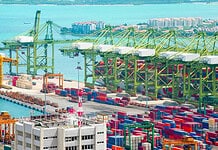
These centres are located in the Mediterranean, the Arab Gulf and Singapore.
This essentially means that the fuel price is influenced by 3 factors.
These factors are: International crude prices, international supply and demand balances for petroleum products and the rand/dollar exchange rate. Therefore, the greater the demand for fuel, the higher the price.
In addition to this, there are other international factors that influence the price South Africans pay for fuel.
When petroleum products are transported to refining centres in South Africa, there are freight costs involved. This exasterbates the cost of fuel.
Additionally, fuel is also influenced by ocean loss. Ocean loss refers to the damage or destruction of a ships hull.