











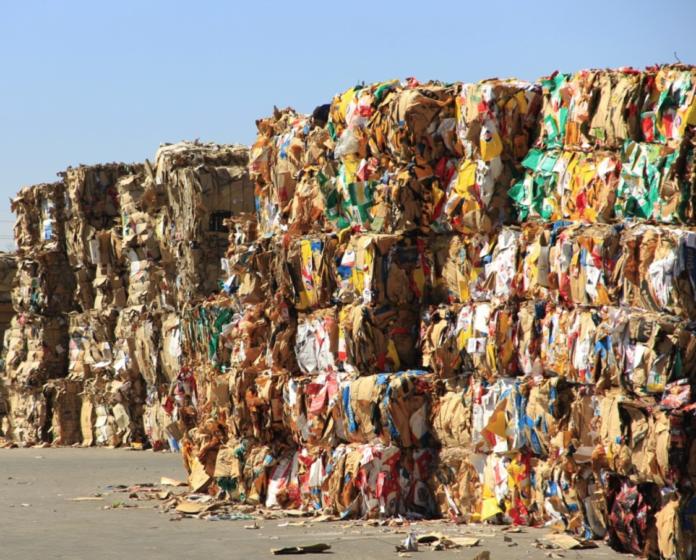
More than 12 million tons of paper and paper packaging have been recovered in South Africa for recycling during the past decade. The overall paper collection rate in 2018 of 71.7% is comparable with the most successful countries globally. This, according to the Paper Manufacturers Association of South Africa (PAMSA), ensures that waste paper is diverted from landfill and recycled into new products.
Although 2019 has seen over-capacity of both pulp and paper worldwide, collection rates for the year-to-date are still looking good. However, the global market for waste paper has changed considerably over the past few years and this, plus the local economy’s lack of growth, means 2020 is expected to get off to a slow start.
China’s stricter requirements for cleaner waste paper imports since the end of 2017 and their ultimate aim of having zero imports in a year or two has meant that 30 million tons of waste paper needs to find a new home. As a result, global prices of waste paper have declined significantly, and in some countries, you even have to pay to have your waste paper collected.
These structural changes present both a challenge and an opportunity.
Successful paper recycling in SA
South Africa is in the enviable position of being able to recycle up to 90% of its recovered waste paper locally into paper packaging, serving the agricultural, manufacturing and retail sectors. A country like Sweden has high collection rates but only recycles 11%; the majority feeds waste-to-energy plants.
The challenge – and opportunity – is to develop new uses for recovered waste paper during this economic slowdown, which has led to lower production by South African paper mills that use waste paper as raw material.
Greener opportunities in wood-based fibre products
PAMSA’s producer responsibility organisation, Fibre Circle, has earmarked R2 million specifically for research and development of alternate and innovative uses for waste paper.
Fibre Circle is aimed at broadening the scope and use of recovered paper through extended producer responsibility (EPR). Representing manufacturers and importers of paper and paper packaging, Fibre Circle’s EPR programme seeks to support the establishment of infrastructure and alternative systems to support the collection and reprocessing of recyclables.
“In line with the circular economy, we have to work together to develop new paper-based solutions to prevent valuable and usable fibre going to landfill and ensure it is turned into value,” says Francois Marais, manager of Fibre Circle. “This will require exploring novel material substitutions.”
“There is also a socio-economic imperative – we cannot afford to see the fruits of 10 years of entrepreneur training and SMME creation come to nothing,” says Marais. “We have to adjust to a new normal: reduce the amount of packaging we consume and find innovative uses for waste paper, beyond cardboard boxes.”
Wood-based fibre, which includes paper and board, is a greener and renewable alternative to fossil-based materials. Made from farmed trees, wood and paper store carbon in their fibres. Wood and paper – essentially cellulose – are also versatile.
“Sending it to landfill is just not an option,” says Marais.