













In the midst of the worst drought in 100 years in southern Africa, the members of the Grain Handling Organisation (GOSA) ensured under challenging circumstances that South Africa had sufficient food for the nation and for neighbouring countries.
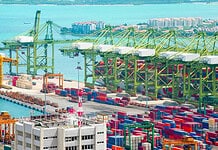
In addition to handling a domestic maize crop of more than 7 million tons, more than 2 million tons were imported through the ports of Cape Town, Durban, Port Elizabeth, East London and Richards Bay. White maize was imported from Mexico and the USA, and yellow maize from Argentina, Brazil, Romania, Ukraine and the USA.
More than 66 shiploads of maize were unloaded – with the biggest of these from Ukraine, with 54 547 metric tons on board. ‘At one stage our members in the Durban harbour loaded 160 railway trucks and 400 trucks a day.
The imports of wheat, grain sorghum, soybeans, sunflower seed and oilcake were also handled successfully, as were maize imports for neighbouring countries through South African ports and those of Maputo and Beira,’ said Ms Annatjie Loio, President of GOSA.
Conditions across the maize-producing areas look promising and an estimated maize crop of more than 13 million tons is expected – this is estimated to be the third biggest crop since 1980/1981, while the carry-over stock is small. The country’s silos can now be filled with grain again, which will relieve the pressure of past season’s unutilised silo capacity on agribusinesses.
Income from the storage of grain will mean a financial boost after the drought of the previous season. The estimated storage is 16 million tons. If the rain continues through the harvest period and temperatures drop, getting the moisture content at an acceptable level will be challenging.
The estimate of a large maize crop and the recent strengthening of the rand caused the price of maize to drop by as much as R2 000 per ton. This decline was not good news for producers, but can lead to cheaper food for the end consumer, a higher local consumption of maize that could possible increase to 11,5 million tons, a drop in food inflation and a decline in exports in the coming season.
More job opportunities can definitely be created. Currently, agriculture provides jobs to 900 000 people in our country, which constitutes 6% of the labour force.