













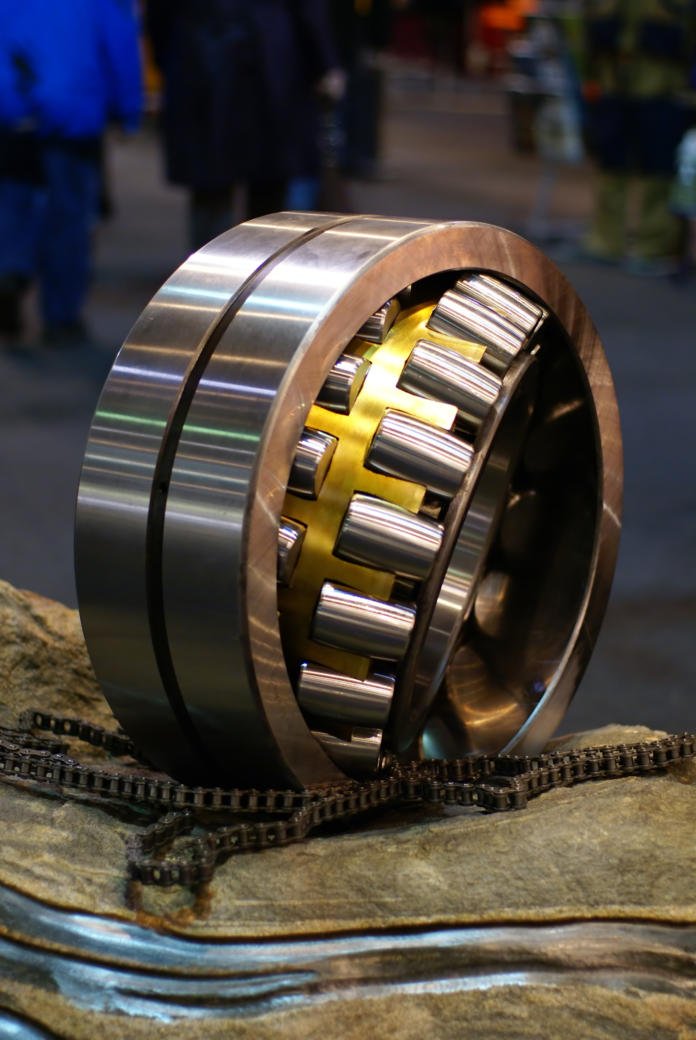
BEARINGS are a fundamental component of mechanical equipment and centre on the idea of reducing rolling friction to allow parts to move without being destroyed. Reducing friction can contribute to higher performance, better energy consumption and less wear and tear, meaning that proper maintenance and care of bearings is essential to get the best out of machinery and prevent extensive and critical equipment failure.
There are numerous reasons bearings can fail, including rust, overheating, wear and fracturing. Many of these issues can be resolved through the correct use of lubrication. Lubrication Engineers (LE) South Africa estimates that improper lubrication causes 20% to 30% of bearing failures. Here are some of the best ways to avoid common causes of bearing failure.
Incorrect lubrication
If the wrong lubricant is used for a particular application, including not being sufficiently durable for the operating conditions, it can contribute to bearing failure. A good lubricant can help prevent rust, reduce friction and support optimal performance. LE’s National Marketing Manager, Callum Ford says that a good lubricant supplier will be able to advise the correct lubricant to use for any application, and will often provide after sales support for any troubleshooting at a later stage.
Contamination
If lubricants get contaminated by water, chemicals or residue from cleaning solvents, they perform less effectively in a bearing component. To avoid contamination, it’s important to ensure regular maintenance of equipment, and to avoid contaminating lubricants. One of the best ways to do this is to opt for automated application of the lubricant, which removes human error. Accessories like oil sight glasses and desiccant breathers can also ensure you have an understanding of your lubricant condition at all times and that any moisture contaminating your lubricant is removed.
Heavy viscosity
Many engine bearing failures are also caused by using an oil that is too heavy in viscosity. When it is cold, a heavy-weight oil will not flow or pump readily. When pumped from the crankcase, it may stay in the upper end of the engine and not return quickly to the pan.
“When this happens, engine bearings become starved for lubrication and wear prematurely or fail,” explains Ford. “Premature turbocharger bearing failure is directly related to this oil starvation problem. To avoid both types of failures, good-quality multi-viscosity engine oils have been developed to include “flowability” for low temperatures.”
Ford says that LE’s oil consumption reducers and drain extending additives improve fuel efficiency, reduce wear and provide all-season, all-weather performance.
In general, early or premature bearing failure can be detected during scheduled inspections through an established maintenance programme. These inspections will help reduce dirt and debris contamination, assess lubricant performance, and catch early wear patterns before total failure, which will save money in the long-term through reduced maintenance and downtime costs.
- For more information, visit www.lubricationengineers.co.za.