










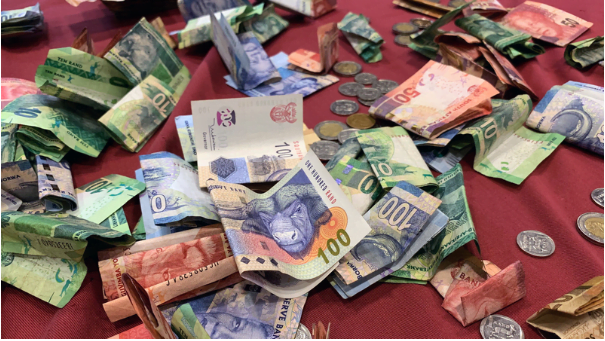
Capetonians are having to further tighten their belts as new tariff increases from the City of Cape Town have taken effect from the 1st of July.
The 2022/23 budget adopted by the council last month proposed a 5.2% average increase for rates, 6.5% increase for water and sanitation, and 5% for refuse removal. The electricity tariff would increase by an above-inflation of 9.5%.
The City received about 380 public submissions on its draft budget. It said most electronic submissions were objections to the tariffs (water, refuse, electricity) and property rates.
Of the comments received by the finance department, residents raised concerns over the increases in property rates and tariffs.
They recommended that the social relief package be restructured, based on disposable income rather than property value – especially for pensioners. They also requested the complete scrapping of property rates for places of worship and the reduction and revision of property rates for the hospitality sector.
Energy department comments related to the above-inflation increase in the electricity tariffs and the difference between the City and Eskom’s end-user tariffs.
Stop CoCT founder Sandra Dickson said a homeowner would pay above the projected annual inflation rate of 4.8% for their municipal services.
“The biggest tariff increase of 9.5% for electricity will be felt immediately when prepaid electricity is purchased on July 1. Once again people will get fewer electricity units for the same money spent.
“For another year the City refused to listen to public participation comments and steamed ahead with the increases that favour the City,” she said.
Bo-Kaap Civic and Ratepayers Association chairperson Osman Shaboodien said the City council needed to be sensitive to the deepening economic crisis as many families do not qualify for the indigent grant.
“It is this segment of the population that’s worst affected by these increases. Over the years, increases in water and electricity were above inflation and added, new service charges were introduced. Like we always say, the government must do more in protecting the most vulnerable. This is our call to the City council,” he said.
Finance Mayco member Siseko Mbandezi said the City’s tariff and rate increases were set at the minimum of what was required to continue and expand service provision for the people, and to enhance energy and water and sanitation resilience.
He said affordability for customers was balanced with what was required to cater to the existing and growing service delivery needs of Cape Town.
Mbandezi said no profit was planned and all income would go into service delivery.
Mbandezi said the increase for electricity was largely Eskom-driven and that the City had tried to absorb this with the 9.5% tariff increase. However, he said the City cannot absorb any more of the Eskom-driven increase, as it needed to ensure sufficient revenue to continue delivering basic services.
mthuthuzeli.ntseku@inl.co.za
Cape Argus
This article first appeared in the 30 June 2022 edition of the Cape Argus newspaper.