












Recycling facility fires: FireDos targets early detection and prevention
DoseTech introduces early fire detection and prevention systems from FireDos
By Diane Silcock
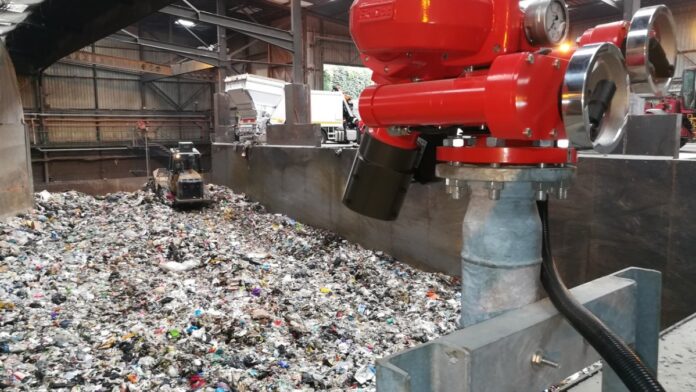
RECYCLING facilities are particularly vulnerable to fires as small lithium-ion batteries hidden in products such as vapes, lighters and torches can enter waste streams undetected. Fires involving lithium-ion batteries, shredded waste, plastics or paper stock can develop rapidly, and even one additional minute may significantly influence the scale of property damage and business interruption.
Recently reported in the UK media, The Guardian stated that “the Environment Services Association (ESA), the trade body for waste management companies in the UK, said its members had reported 1,518 fires in the year to March 2026. At least 541 of these fires were directly attributed to lithium-ion batteries, the survey found. There were a further 216 battery fires in bin lorries”.
Commenting on this challenge that recycling facilities face, DoseTech MD, Mike Feldon, says, “Stockpiles of waste coming in is where the biggest problem lies. Lithium-ion batteries get caught up in it and get crushed and burst into fire. For a sprinkler system to activate, sufficient heat is required, therefore a fire has to be quite advanced before a sprinkler system comes into play.”
According to FireDos, which is represented by DoseTech in Southern Africa, detection alone does not stop a fire. Once an abnormal thermal event has been identified, every second that passes before suppression begins allows the incident to develop further. In high-risk industries such as waste recycling, paper production, biomass processing, logistics and alternative fuels, those seconds can determine whether an isolated hotspot becomes a catastrophic fire.
Reducing the time between detection and suppression is therefore becoming one of the industry’s most important engineering objectives. Instead of optimising individual products, the industry is beginning to integrate detection, intelligence and suppression into one coordinated protection architecture.
“Our objective is to detect heat before flames and smoke appear. Once the hotspot is detected, an extinguishing agent is used to prevent a fire,” says Feldon.
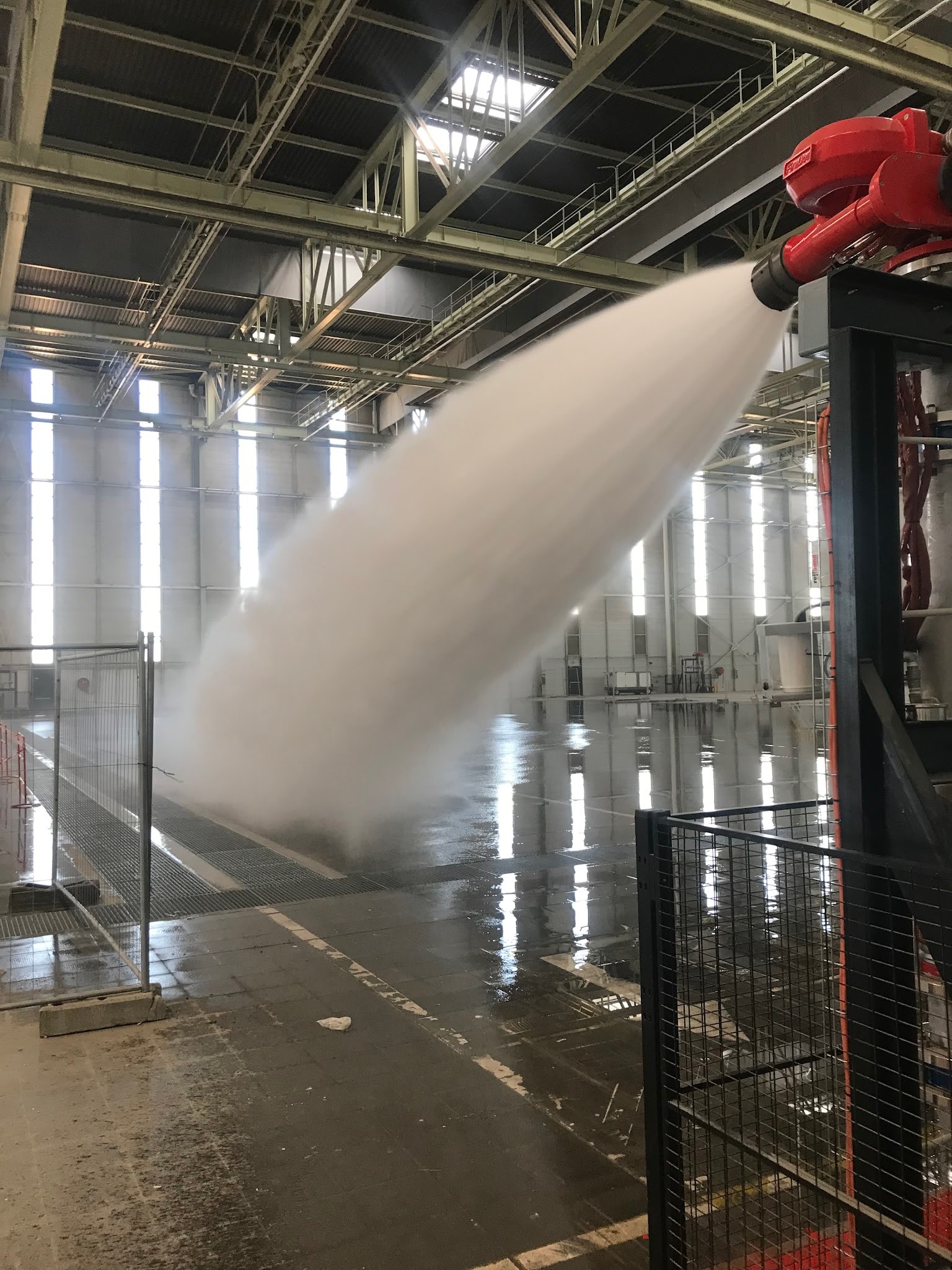
The system uses an infrared thermal imaging camera with smart software to detect a hotspot. The surroundings are screened to distinguish between a hot piece of machinery, for instance, as opposed to heat that could be the source of a potential fire. The FireDos firefighting monitors automatically activate to cool down the precise hotspot to help prevent a fire.
For recycling facilities handling lithium-ion batteries, plastics, paper and other combustible materials, the ability to detect abnormal heat and respond before flames develop can reduce the potential for major fire damage and operational disruption.
DoseTech’s integrated approach using advanced FireDos technology and equipment can help recycling facilities in South Africa move from reactive firefighting to early detection and prevention, forming an important part of a facility’s broader industrial fire protection strategy.