








South African fishing sector faces quota, court and cold chain pressure
By Adrian Ephraim
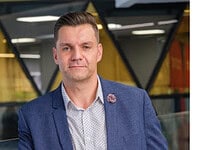
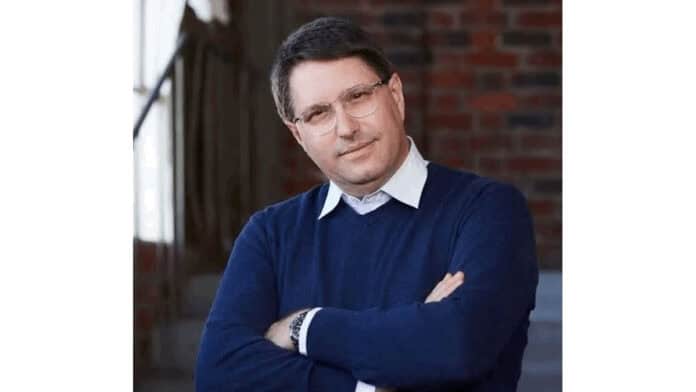
DAVID Maynier has walked into one of the most contested portfolios in government. The new Minister of Forestry, Fisheries and Environment takes the helm of a fishing sector under simultaneous pressure from the courts, from the sea itself, and from years of underinvestment in the infrastructure that keeps the industry globally competitive.
The legal battles alone would keep most incoming ministers occupied. Court challenges are targeting the recent rights allocation process, quota disputes are multiplying across species, and small-scale fisher protests have intensified along the West Coast. The squid sector is a particular flashpoint, with large commercial right-holders in court to stop part of the quota being reserved for small-scale cooperatives. Maynier, who built a reputation as a reform-oriented administrator during his tenure as Western Cape MEC for Finance, is approaching the complexity with deliberate pragmatism. “The fishing industry is a sector with a wide variety of stakeholders and complex regulatory processes,” he told CBN. “It is not surprising that the sector is contested, and I look forward to providing an environment in which all stakeholders feel heard.”
On the rights allocation controversy specifically, Maynier stops short of prejudging the court processes but is clear about his philosophy. “I think every policy-maker should be open to reviewing and improving any policy or process when there is sufficient evidence to do so. That doesn’t mean it is possible to eliminate contention when you are managing a finite resource, but I believe that stakeholders will always appreciate clear, consistent and timeous decision-making.”
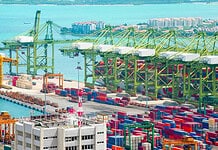
That principle extends to his broader approach to policy uncertainty, the complaint most consistently raised by commercial operators and investors. Cold chain infrastructure, vessel upgrades, and processing capacity have all been held back by years of regulatory unpredictability. South Africa exports over R20 billion in marine products annually, yet port performance bottlenecks, rail limitations, and broader freight logistics inefficiencies continue to undermine the Western Cape’s ability to compete in international markets. The South Africa fish and seafood market is projected to grow at a CAGR of 5.8% between 2026 and 2032, but capturing that growth requires the kind of infrastructure investment that uncertainty has repeatedly delayed.
Maynier is candid that fixing fishing infrastructure is not a task his department can accomplish alone. “Improving fishing infrastructure will require a joint effort with partners such as the Department of Public Works and Infrastructure along with local government and industry,” he says. “A coordinated programme will maximise the impact of any intervention in this regard.” The signal here is collaborative rather than unilateral, and it is consistent with the GNU’s broader emphasis on intergovernmental cooperation. A R170 million fishmeal plant investment at Sandy Point Harbour in St Helena Bay, welcomed by the previous minister in January 2026, offers at least one recent data point that private capital is prepared to move when the conditions are right.
On fish stock sustainability, Maynier has already been tested. A mass sardine mortality event on the West Coast, caused by pilchard herpesvirus, prompted an immediate response from his department. “Having been alerted to the mass sardine mortality currently being experienced on the West Coast due to pilchard herpesvirus, we urgently convened a Task Team including the department, key stakeholders, industry, and local and provincial government to respond to the risk to the stock of sardines,” he explains. The response also flagged the threat to African penguin populations, which depend on sardine as a primary food source, underlining what Maynier describes as a core principle: “Environmental management and economic development are not mutually exclusive.”
That framing matters because the fishing sector’s commercial case and its environmental case are more tightly bound than in almost any other industry. Faster vessel turnaround times at the Port of Cape Town have offered some recent encouragement for the cold chain sector, but industry observers caution that sustained performance will depend on more than infrastructure investment alone, requiring close coordination between shipping lines, terminal operators, transport companies, and exporters.
Maynier’s instinct appears to be exactly that kind of coordination. Whether a sector this legally entangled and environmentally pressured will give him the space to deliver it is the question his first 100 days will begin to answer. The industry, which has been waiting for a minister willing to listen before acting, is watching closely.